The mendicant religious orders within the Catholic church, started in the 13th Century, were products of the highly religious and meant to rebuild the church’s failing image. Over the centuries rivalries grew between these orders and, although they had generally the same goals and often worked together, they also vied with one another for power and influence. The Order of St. Dominic led the Catholic charge into Hermosa, partly to counter the protestant Dutch in the south, but mostly with an eye to forging new pathways to China and Japan. Here we look at a few of the most prominent of these Dominicans and their actions in Taiwan.
It’s 2023 (as least as I type this) and for most people Covid-19 is little more than a painful memory. The virus isn’t gone and infections still occur, but the existential threat compounded by the ridiculous levels of hygiene theatre that turned the experience in an exercise in virtue-signaling is finally over. People are able to once again breathe easy and get back to living their lives. Yet some things linger
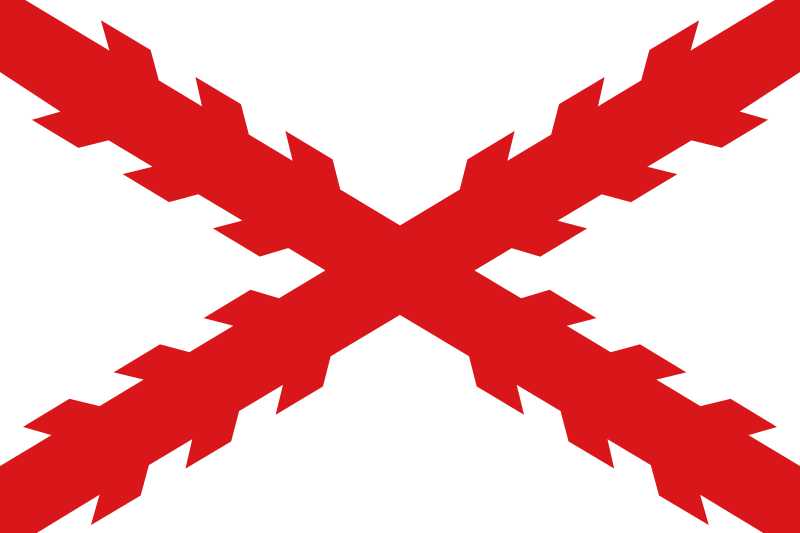
Flag with the Cross of Burgundy, used by the Spanish Empire.
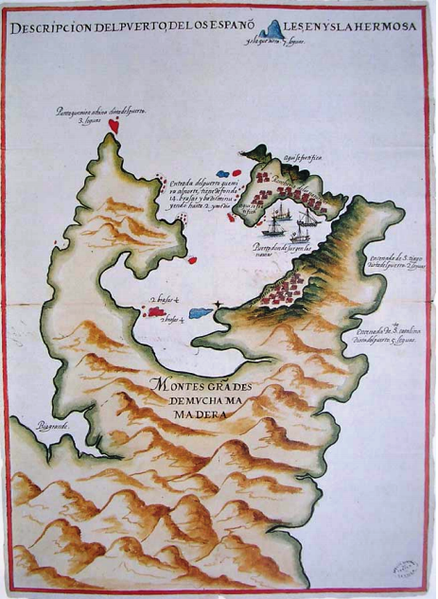
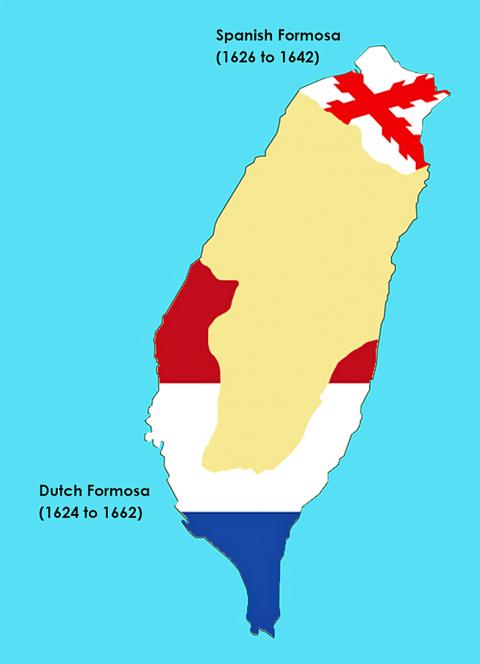
From 1624 the Dutch were encamped in southern Formosa (their name for Taiwan) and heavily disrupting trade in the region for the Spanish and Portuguese. By 1626 the Spanish had decided to take action and sent an expedition to form a colony in northern Hermosa (their name for Taiwan). After finding an apparently perfect place, complete with a village ready and waiting for them to occupy, they began experiencing difficulties. Supplies were in short demand, as Hermosa was the most distant outpost of the Spanish empire.
(above left) an image of Keelung Bay from 1626 showing what is today known as Heping (Peace) Island in the north. (above right) an image of Taiwan from the late 1630s showing the Dutch in the south and the Spanish in the north.
For a long time the beer industry in Taiwan was under the control of a government monopoly. Started in 1919 under the Japanese as Takasago Brewery Co., it remained a government monopoly through the Japanese police state and the KMT police state until the markets opened up in the 1980s. Even today Taiwan Beer (produced by the Taiwan Tobacco and Liquor Corporation) accounts for the vast majority of beer sales in Taiwan. It’s easy to understand why craft beer is still a relatively new industry here. To help us understand more we welcome Joe Merrell from Taihu Brewing to share his knowledge of the industry. He shares his general knowledge of Taiwan and of the craft beer industry which he joined in 2016.
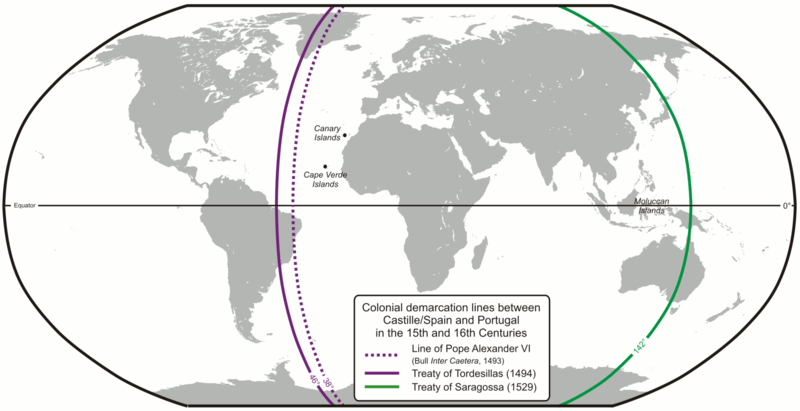
The Spanish and the Portuguese were important players in the actions of Europeans in the East and Far East. Though they had worked together to oust the Muslims from the Iberian Peninsula, they were still rivals for colonial territories. King Philip II of Spain would inherit the Portuguese crown in 1580, which lessened open conflicts between the two countries, but that rivalry still persisted. Though the Spanish were largely preoccupied with conquering the Americas, they (like all European powers) had their eye on the Spice Trade. Due to treaties with the Portuguese, the Spanish needed to find a western route to the East going past the Americans and across the Pacific Ocean. Silver from Mexico gave them wealth with which to trade, but they needed to establish an outpost in the East. Ideally they wanted something on China’s doorstep, like how the Portuguese had Macau. In the end, they would settle in the Philippines and then look for expansion opportunities.
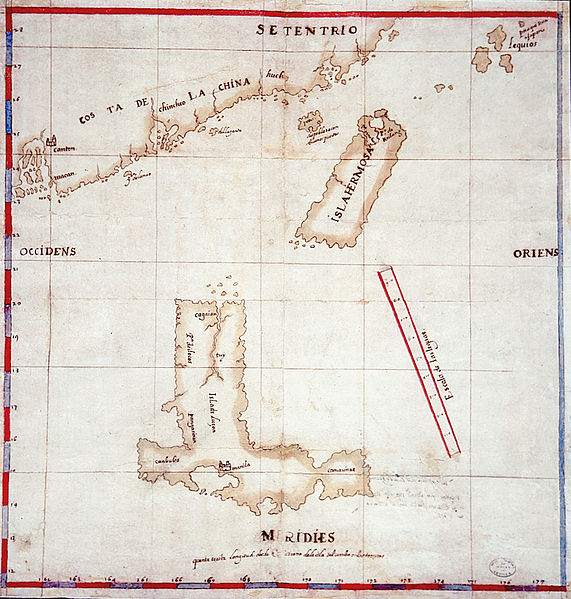
1597 map of Luzon (northern Philippines), Isla Hermosa (Taiwan) and the China’s east coast.
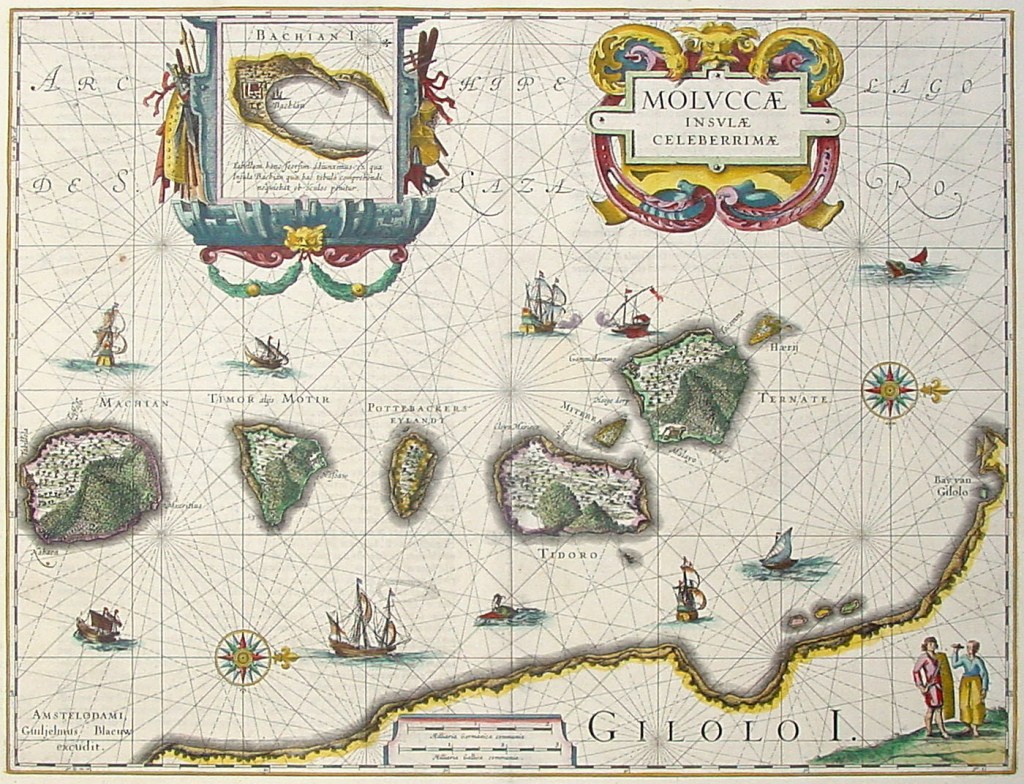
Dividing lines for Portuguese and Spanish claims by treaties.Portuguese and Spanish trade routes to the Far East. (Portuguese east below Africa, Spanish west past the Americas)Dutch map of the Moluccas – Spice Islands (map oriented with west at the top)
In this episode we discuss the religion of the indigenous peoples of Taiwan, including their gods and ancestors, the duties of the priestesses and how they deal with illness and death. We also look at their architecture, their various arts and crafts, including pottery and fabric, as well as their styles of tattoos.
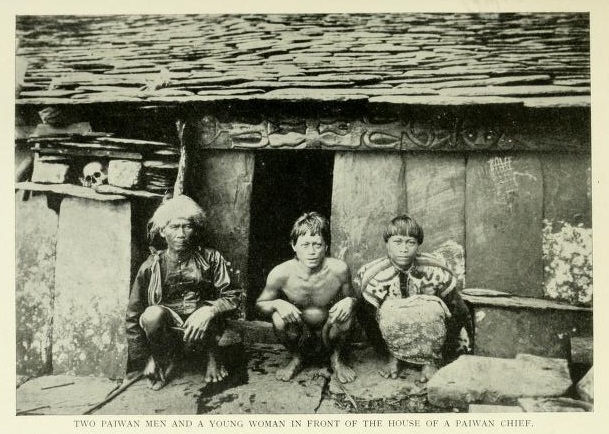
People squatting in the same manner that men do during courtship rituals. Note the slate walls and roofing of the Paiwan buildings, including the artwork above the door indicating it to be a chief’s house.
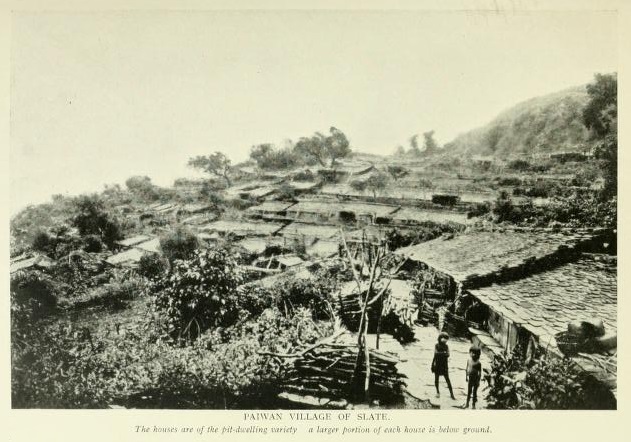
The people in the picture are children, showing you how low the Paiwan houses are. Most of the house is subterranean.
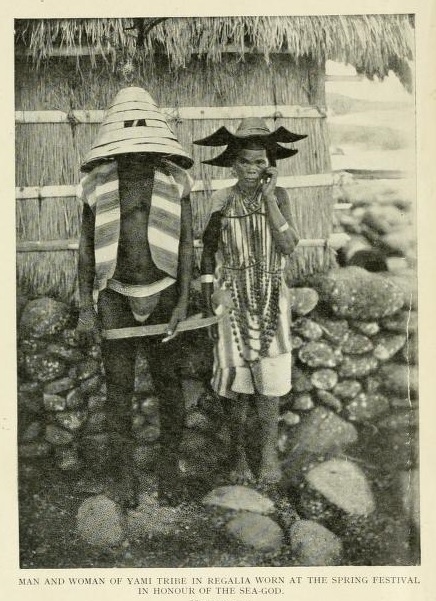
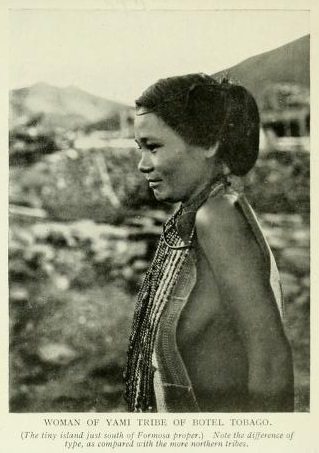
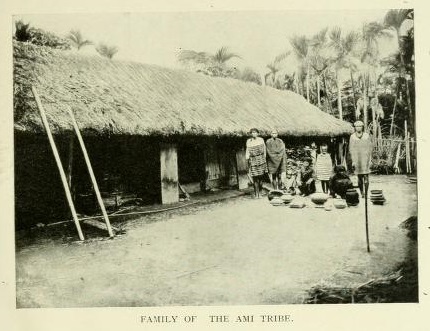
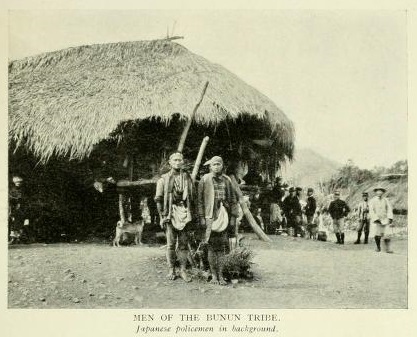
(left) A carving of a Paiwan ancestor on a slate in front of a chief’s house. (right) People from the Yami [Tao] of Orchid Island before a bachelor-house.(left) A Yami man and woman in ceremonial dress to celebrate the Spring Festival. (right) A Yami woman from the Yami tribe showing the differences in facial features and dress.(left) An Ami family stands in front of their home. (right) Men from the Bunun tribe, with Japanese officers standing in the background.An example of women’s facial tattoos in Tayal culture, 2006. Here the tattoos cover the entire space below the bottom lip, as opposed to only partially, as Janet McGovern observed in 1916.
For those of you interested in reading McGovern’s work for yourself, here are some links to online versions of it. One long scrolling page from Project Gutenberg or as a flip book from Archive.org or another flip book by Manybooks.
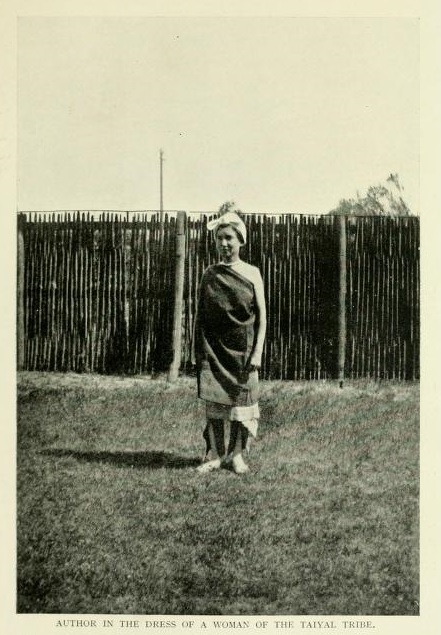
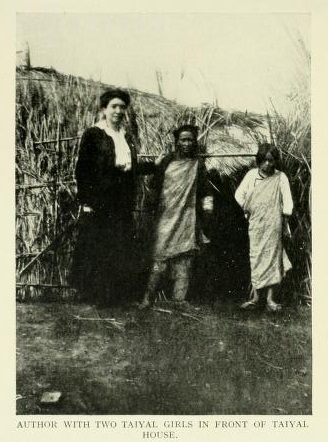
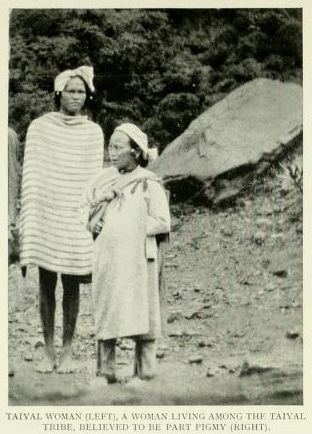
Janet Blair Mongomery McGovern was an anthropologist and explorer who visited Formosa from 1916-1918 during the first phase of the Japanese colonial period. While ostensibly working as an English teacher, she spent her free time travelling the countryside to meet and learn about the indigenous peoples of Formosa. Using the information in her book, which has the same title as this episode, we will learn all we can about the Taiwanese indigenous and compare it to Dutch records from the 17th Century.
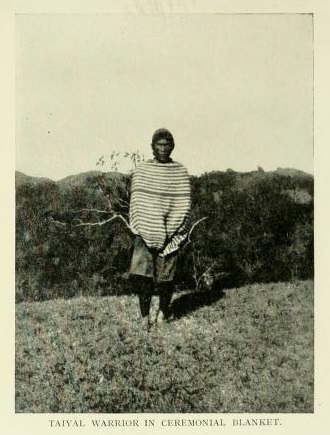
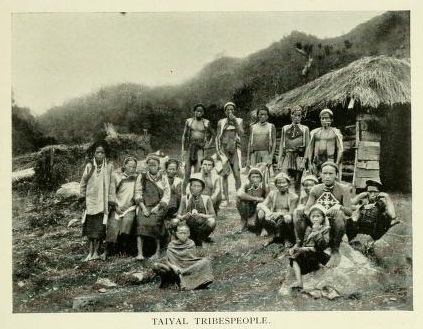
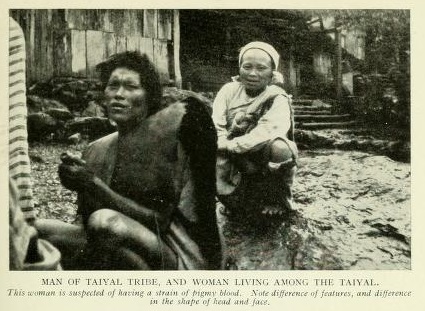
Janet McGovern (left) dressed in traditional Taiyal garb and (right) standing with two Taiyal girls.Pictures of Taiyal people, including one of a Taiyal village’s skull shelf.A woman living amongst the Taiyal people suspected of having pigmy ancestory. (left) pictured besides a Taiyal woman. (right) pictured crouched by a Taiyal man.
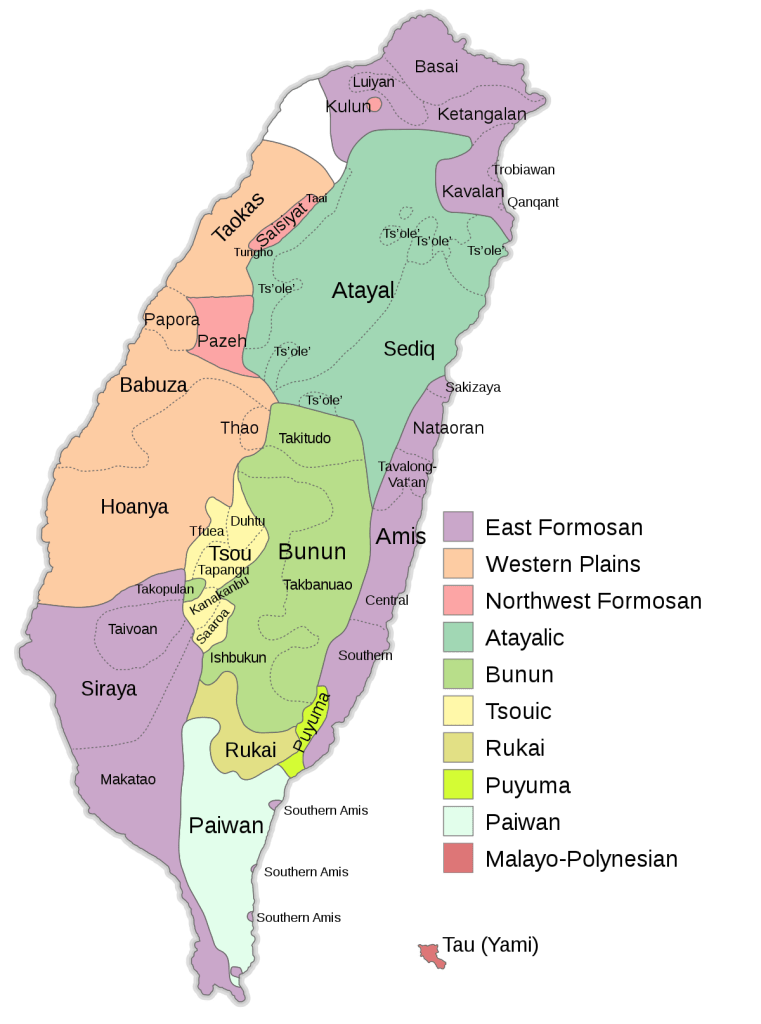
Janet McGovern’s mapping of the indigenous distribution across Formosa.
Link 1 and Link 2 to newspaper articles on the skull discovered in 2022 believed to have belonged to a pygmy.
Around eight months ago, Cameron Reilly and Ray Harris invited me to join them on their Cold War podcast. Despite my incessant tangents, it seems I left a good impression with my gracious hosts for Ray then invited me onto his long-running World War II podcast. Below are links to my appearance on his podcast and to Ray’s website.
The link to my episode on his website. The link to the homepage on his website.
The link to my episode on Spotify. The link to his list of episodes on Spotify.
The Dutch suffer frequent attacks by the local indigenous on both the Dutch established village of Sakam, where mainly Dutch and Chinese merchants conduct their trade, and on their allies in Sinkan village. Hans Putmans, like his predecessor Pieter Nuyts, kept asking for Batavia to send military reinforcements. In 1635 they finally consented and Putmans was ready to put the hammer down.
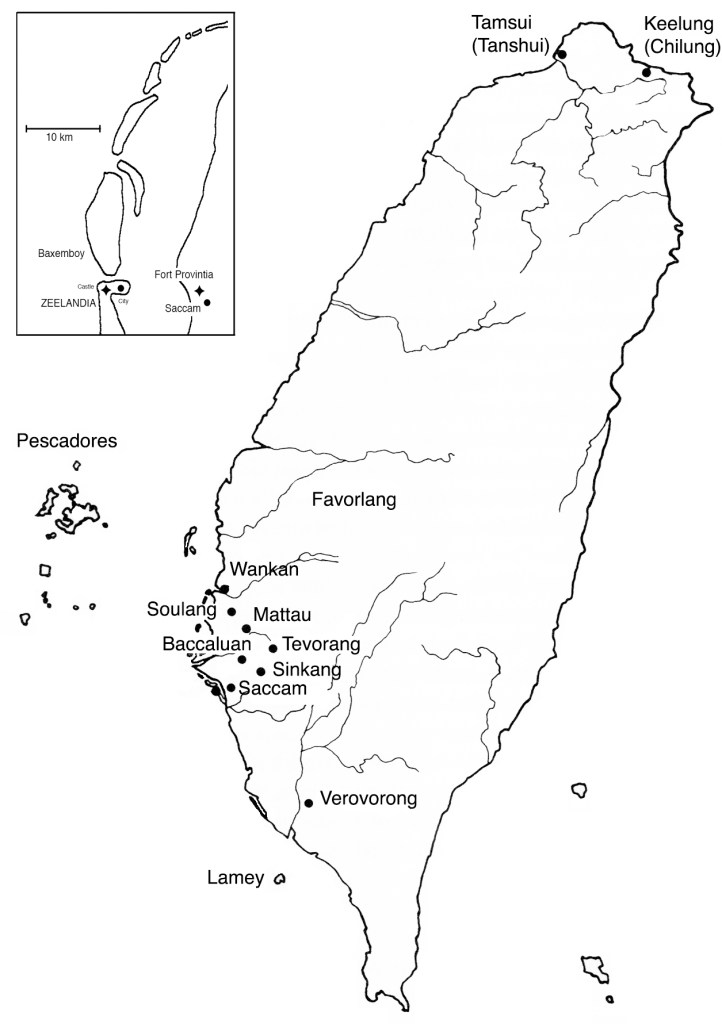
A map showing some of the villages near the Dutch settlement in Anping (including Lamey Island), courtesy of Wikidata.A map of the language distribution of the Austronesian peoples across Taiwan, courtesy of the Sirayan government website.
Link to the Taiwan government website for the Siraya people. Link to the Wikipedia article on the Siraya people.
After destroying Zheng’s fleet and liberally plundering the Chinese coast, Putmans is called to battle by Zheng and his hastily assembled replacement fleet. Can the Chinese turn the tide? What will be the long term consequences of this battle politically and economically?
The Battle of Liaoluo Bay, October 1633. [Image from Lost Colony by Tonio Andrade]Sketch of Fort Zeelandia Circa 1635, by artist Johannes Vingboons.
Edit: I looked up the UK’s refugee plan and the African country was Rwanda. Rwanda may have a rather poor track record in terms of human rights for anyone reading up on the Rwandan Genocide of 1994. One consequence of that was a vast reduction in the male population of Rwanda, which led to many leadership positions being filled – by necessity – by women. This actually led to some of the most progressive laws towards women and women’s rights than anywhere else in the world. Just food for thought. Link here.















 Taiwan Through Time