Japanese Juxtaposition – Part 5

Thus concludes my second conversation with Chris. In this final instalment we get into what it’s like to teach in Far East Asian countries, both official schools and cram schools or bǔxíbān (補習班), analysing similarities between our experiences. There were also extensive tangents into South African trivia, including reminiscing about university. We ended up getting somewhat philosophical at times, probably courtesy of the accompanying Bain’s whisky. Plus the wildlife here insisted on being part of the recording.

At some point in the future I will do a short tangent series on teaching at the various types of schools in Taiwan, but my immediate plan (now that I’ve finished moving house and have relocated my books) is to get back into the history side of things.

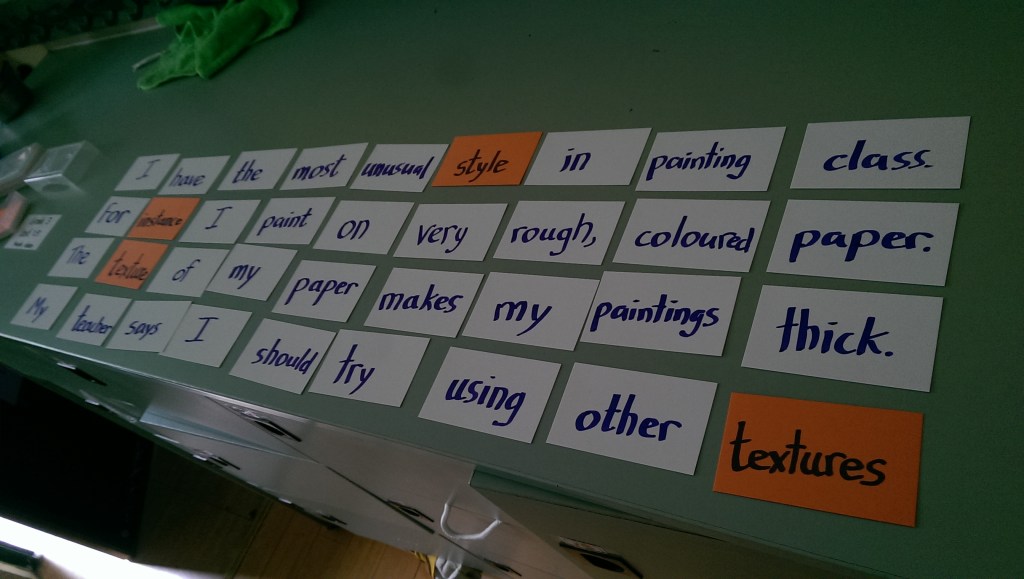
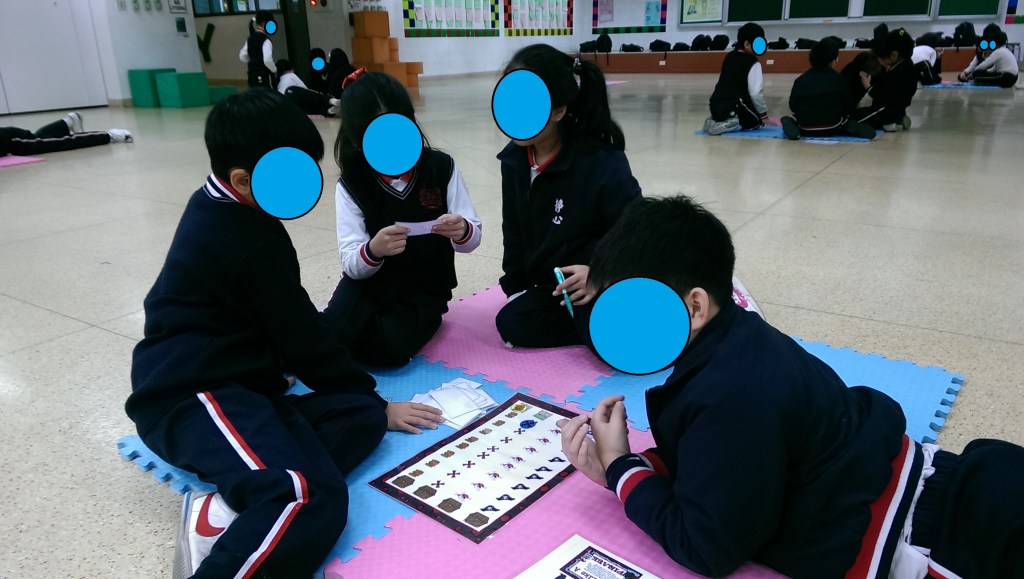
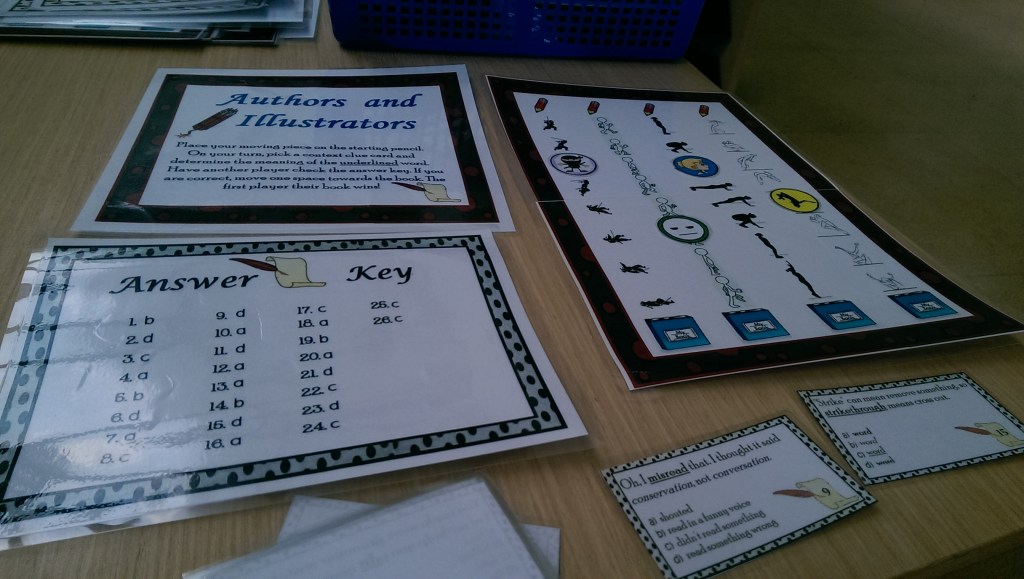
Here are some example pictures of an open learning system from my time in Taiwan, specifically for second language English at the lower primary school level.

Rhodes University in Grahamstown, South Africa, our alma mater.
Website: https://www.ru.ac.za/

Japanese Juxtaposition – Part 3

A conversation with Chris.
This is the third part of my interview with Chris. We discuss names, worldly awareness, elements of history and concepts of culture, amongst other things.

TRIVIA FROM THE EPISODE
The video by Tom Scott that was mentioned:
https://www.youtube.com/watch?v=V5u9JSnAAU4
The intro song to Mina Moo, a puppet South African TV show for children from the late 1980s.
https://www.youtube.com/watch?v=UiQAQ6kgbhE

Episode 26 – Zhilong’s Son

Zheng Zhilong (merchant, translator, pirate, naval tactician and Admiral of the Chinese fleet) has a key role in the history surrounding Taiwan. No less important – in fact, arguably more important – is the role that his son, Zheng Chenggong, would play. To understand the role he played, it is important that we look at his childhood, his family dynamic and the world in which he was growing up.

The late Ming Empire.

If one follows this link to the Wikipedia page on events of the 17th Century, one could be surprised by the number of entries that relate to war.

Episode 25 – Spanish vs Dutch

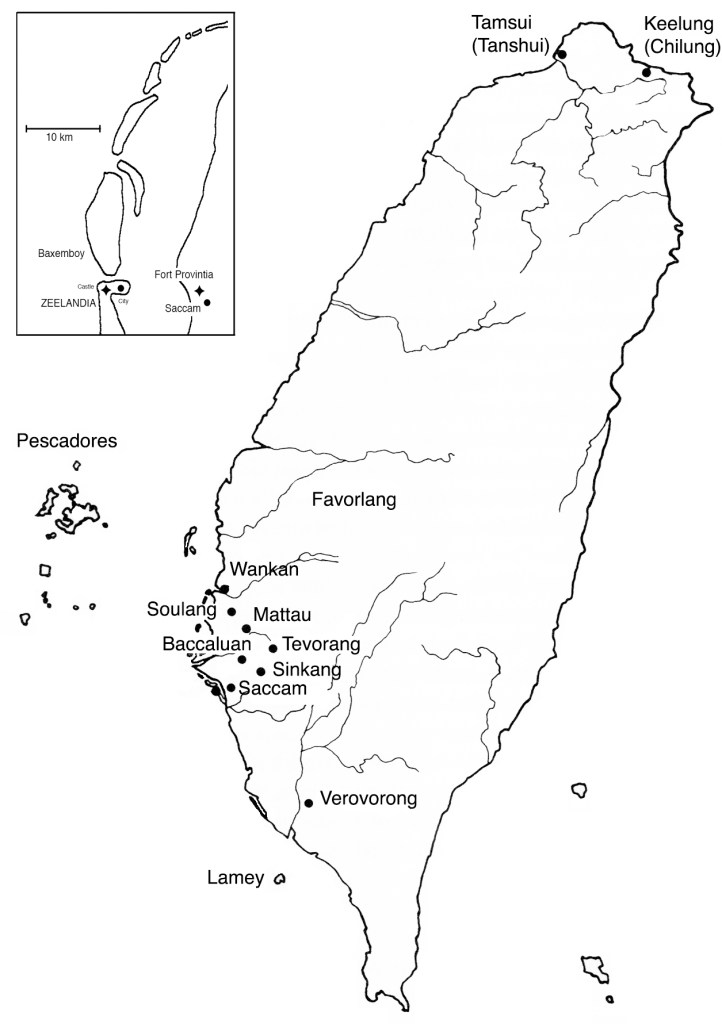
After a quick recap of the Spanish and Dutch influence in Taiwan (as well as taking a broader look to encompass the ongoing Eighty Years War), we look at how changes weakened the Spanish position in Taiwan. The Dutch would take advantage of this to try push the Spanish off Taiwan and claim control over the whole island for themselves. This culminated in the battle for San Salvador, the Spanish fortress in Keelung (Jilung).

Episode 21 – Among the Head-Hunters of Formosa, Part II

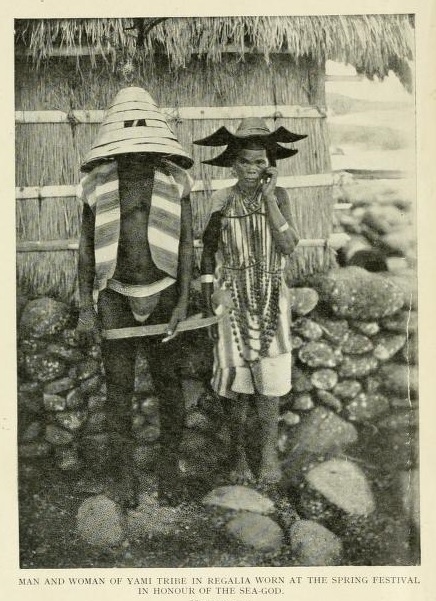
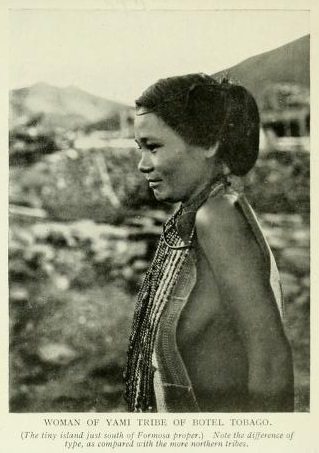
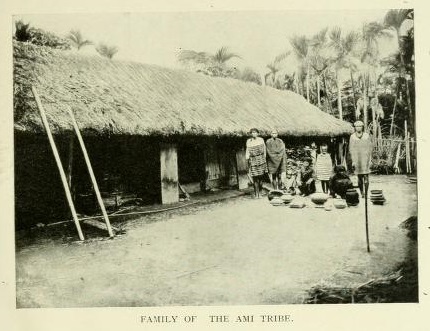
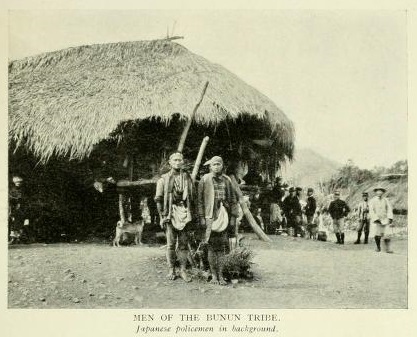
In this episode we discuss the religion of the indigenous peoples of Taiwan, including their gods and ancestors, the duties of the priestesses and how they deal with illness and death. We also look at their architecture, their various arts and crafts, including pottery and fabric, as well as their styles of tattoos.

People squatting in the same manner that men do during courtship rituals.
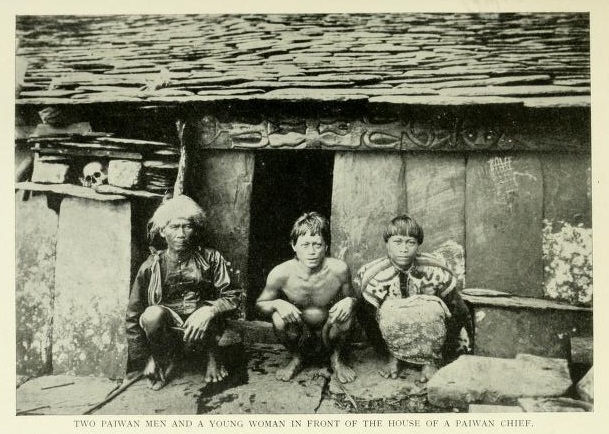
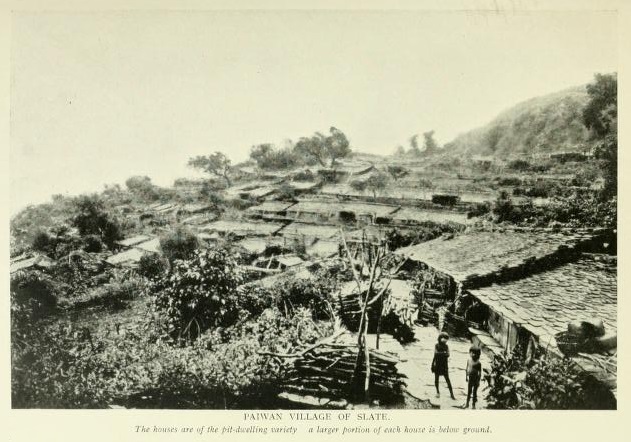
Note the slate walls and roofing of the Paiwan buildings, including the artwork above the door indicating it to be a chief’s house.
The people in the picture are children, showing you how low the Paiwan houses are. Most of the house is subterranean.
An example of women’s facial tattoos in Tayal culture, 2006. Here the tattoos cover the entire space below the bottom lip, as opposed to only partially, as Janet McGovern observed in 1916.

For those of you interested in reading McGovern’s work for yourself, here are some links to online versions of it.
One long scrolling page from Project Gutenberg or as a flip book from Archive.org or another flip book by Manybooks.

Prof. C.J.’s Alliance of Throne & Altar

Episode 20 – Among the Head-Hunters of Formosa, Part I

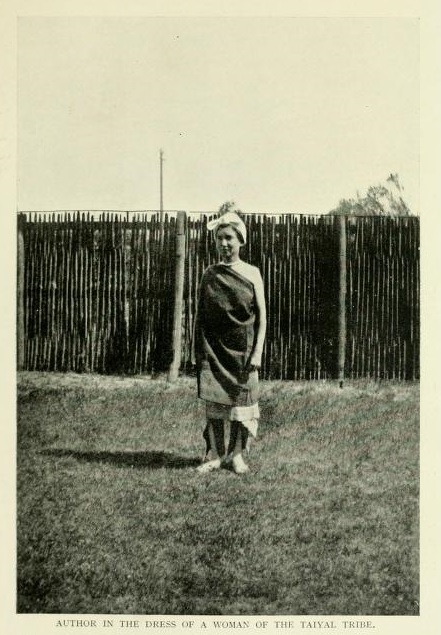
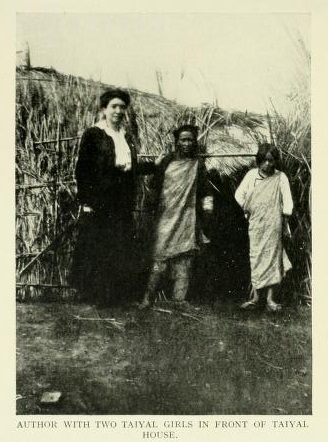
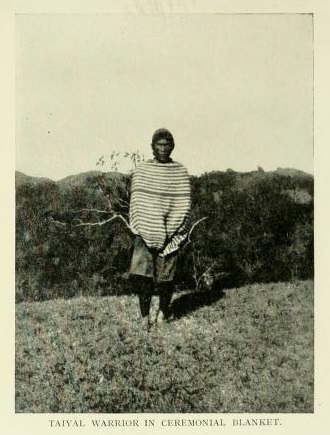
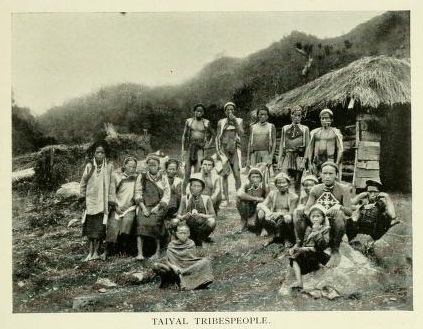
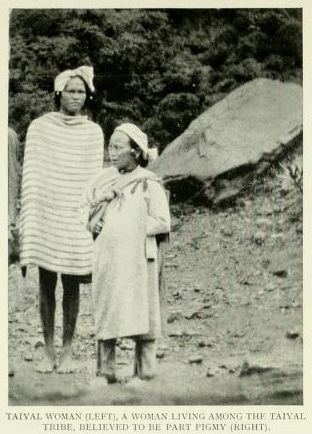
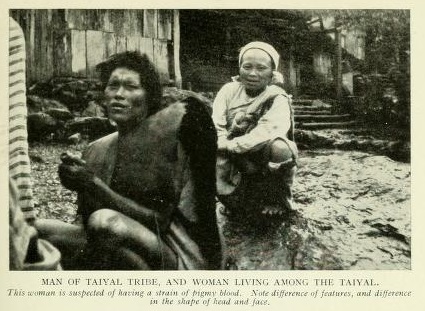
Janet Blair Mongomery McGovern was an anthropologist and explorer who visited Formosa from 1916-1918 during the first phase of the Japanese colonial period. While ostensibly working as an English teacher, she spent her free time travelling the countryside to meet and learn about the indigenous peoples of Formosa. Using the information in her book, which has the same title as this episode, we will learn all we can about the Taiwanese indigenous and compare it to Dutch records from the 17th Century.

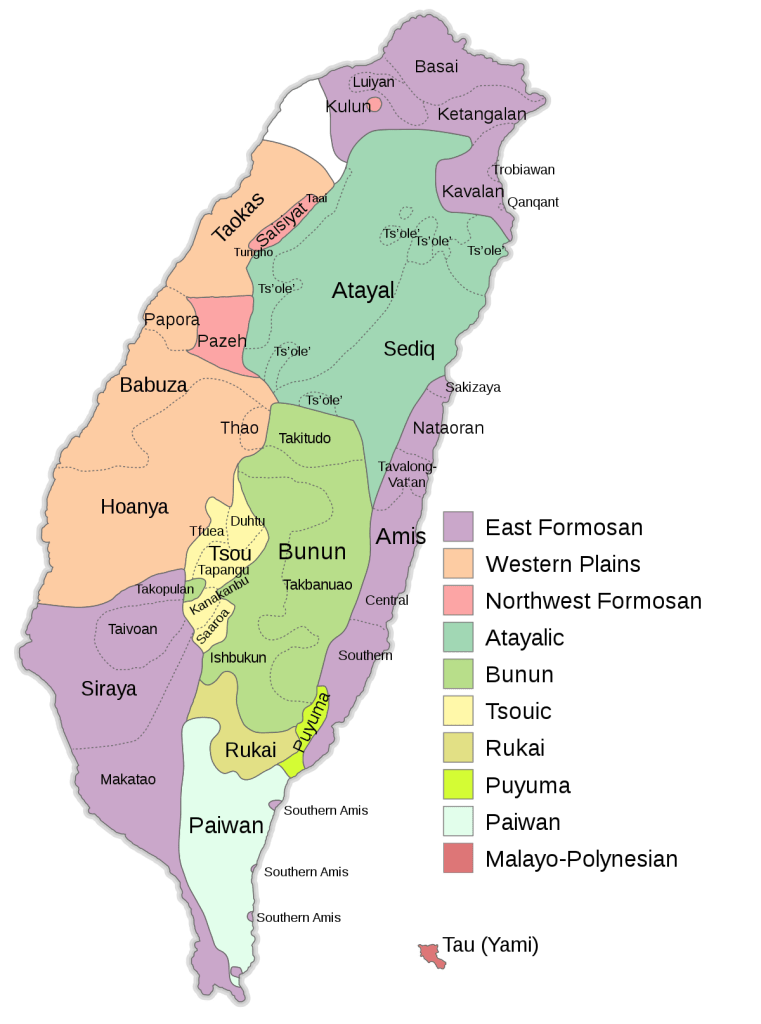
Janet McGovern’s mapping of the indigenous distribution across Formosa.

Link 1 and Link 2 to newspaper articles on the skull discovered in 2022 believed to have belonged to a pygmy.

Videos about the Jew’s Harp (mouth harp)
French performance
Brazil performance
American performance
Description on how to play the instrument
A short history lesson on the mouth harp

Episode 19 – Pacification Campaign

The Dutch suffer frequent attacks by the local indigenous on both the Dutch established village of Sakam, where mainly Dutch and Chinese merchants conduct their trade, and on their allies in Sinkan village. Hans Putmans, like his predecessor Pieter Nuyts, kept asking for Batavia to send military reinforcements. In 1635 they finally consented and Putmans was ready to put the hammer down.

Link to the Taiwan government website for the Siraya people.
Link to the Wikipedia article on the Siraya people.

Episode 18 – Putmans continued; The Battle of Liaoluo Bay

After destroying Zheng’s fleet and liberally plundering the Chinese coast, Putmans is called to battle by Zheng and his hastily assembled replacement fleet. Can the Chinese turn the tide? What will be the long term consequences of this battle politically and economically?

The Battle of Liaoluo Bay, October 1633. [Image from Lost Colony by Tonio Andrade]
Sketch of Fort Zeelandia Circa 1635, by artist Johannes Vingboons.

Edit: I looked up the UK’s refugee plan and the African country was Rwanda.
Rwanda may have a rather poor track record in terms of human rights for anyone reading up on the Rwandan Genocide of 1994. One consequence of that was a vast reduction in the male population of Rwanda, which led to many leadership positions being filled – by necessity – by women. This actually led to some of the most progressive laws towards women and women’s rights than anywhere else in the world. Just food for thought.
Link here.

Episode 17 – Hans Putmans (Putman?)

Hans Putmans (or possibly Putman) was the fourth VOC Governor of Formosa and his first order of business was to fix the mess left at the end of Pieter Nuyts’ governorship. Like Nuyts, Putmans heralded from Middelburg, though he had a more varied career with the VOC, being posted to different trading posts before eventually being appointed to Formosa.
His role as governor began with a promising relationship with Zheng Zhilong, before taking an unexpected and somewhat bloody turn.

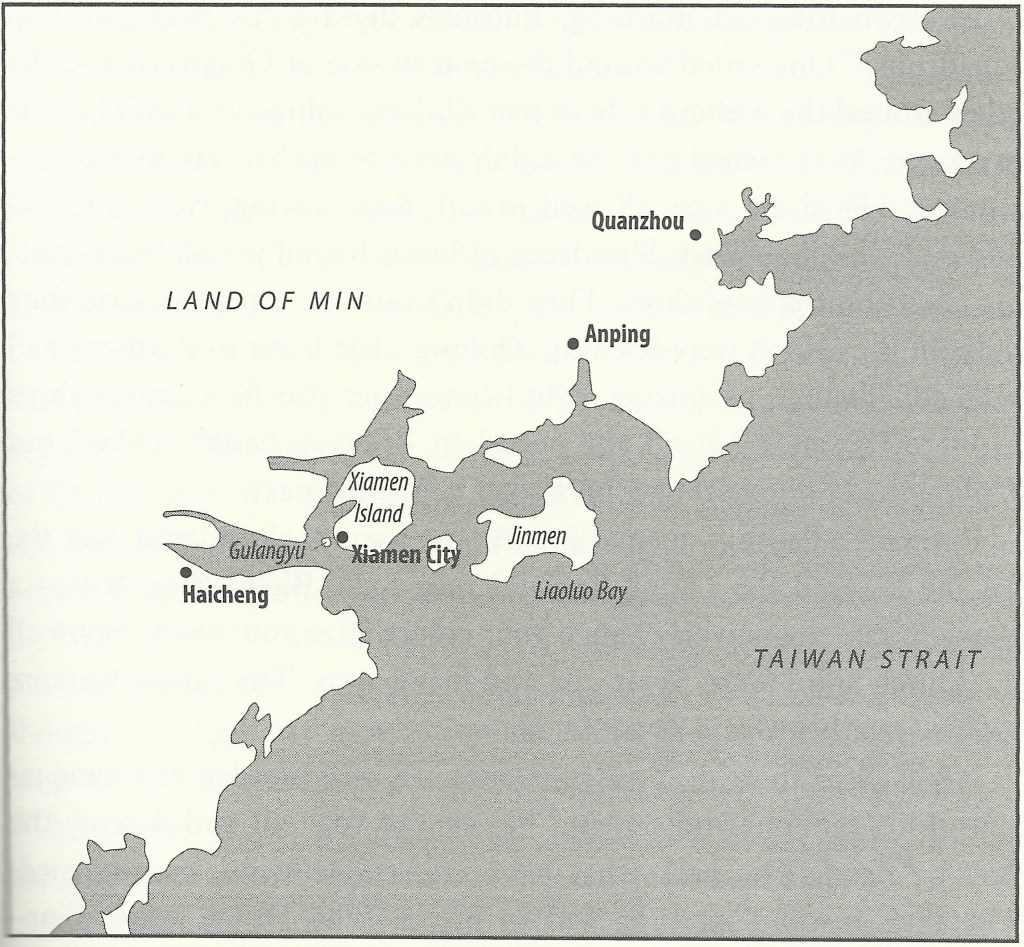
The Zheng family was based on Xiamen and Jinmen Islands. Xiamen had a perfect natural harbour that protected ships from ocean swells. That’s where Zheng kept his fleet. Gulangyu Island, where Putmans hid his fleet, is labelled south-west of Xiamen.
[Image from Lost Colony by Tonio Andrade]
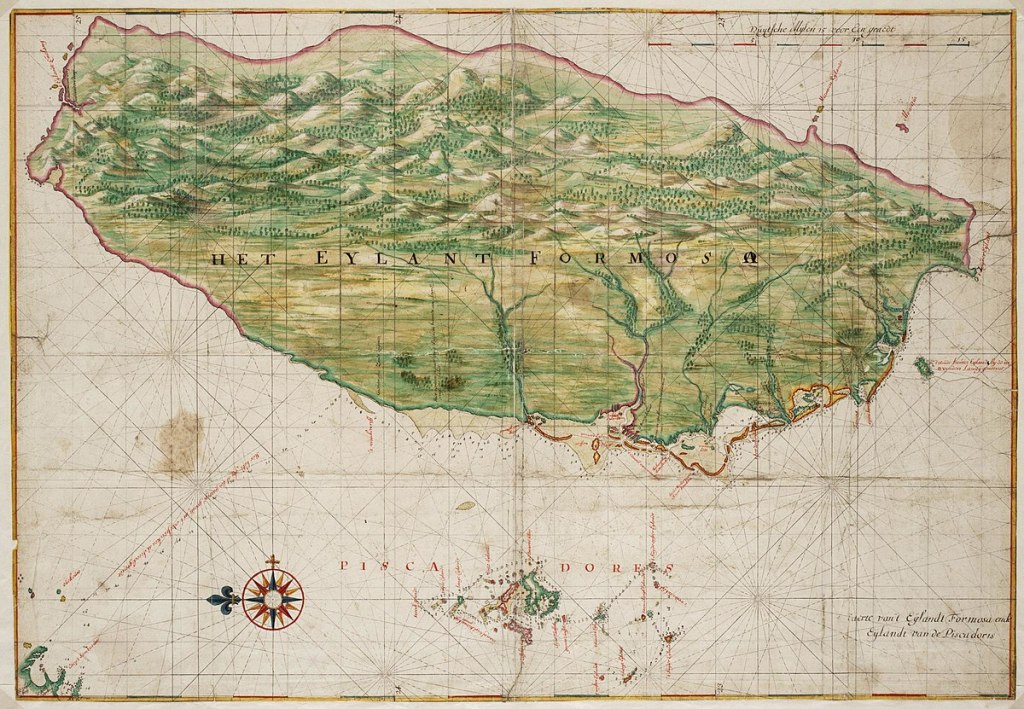
Map of the Island of Formosa, circa 1665, by artist Johannes Vingboons.

Episode 16 – Pieter Laurens Nuyts

Pieter Nuyts (also spelt Nuijts) was the third Dutch Governor of Formosa. He was a father, a businessman, an explorer and a politician. He was also opportunistic, sometimes to his own detriment. This episode looks at his time as governor of Formosa.

In editing I discovered my Dutch pronunciation let me down a few times, especially toward the beginning of the recording. The Dutch pronunciation of Nuyts is ‘notes’, while the English pronunciation is ‘newts’.

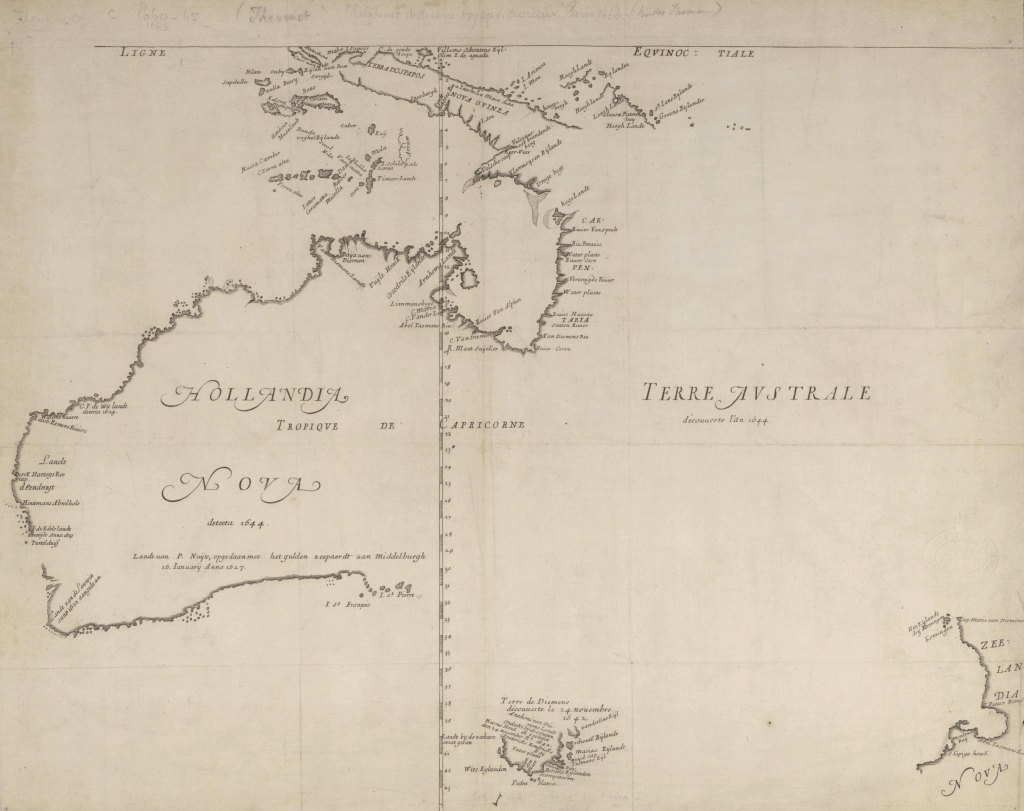
A map from 1644 which carries both ‘New Holland’ and ‘Terra Australis’ as names for Australia. In the southwest corner you can see the area explored by Nuyts’ ship, het Gulden Zeepaert (the Golden Seahorse), marked as the land of Pieter Nuyts.
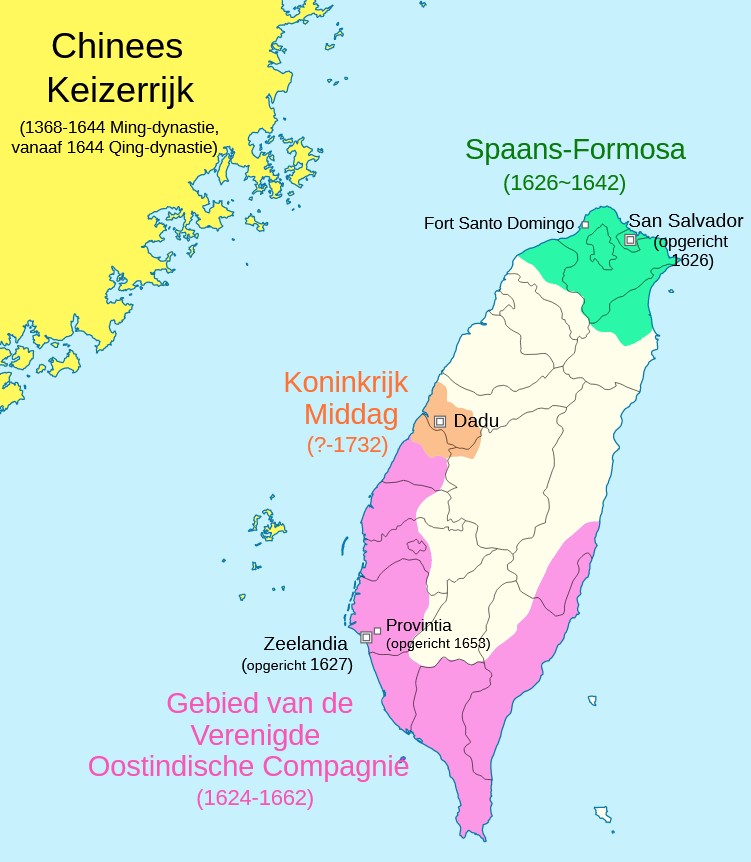
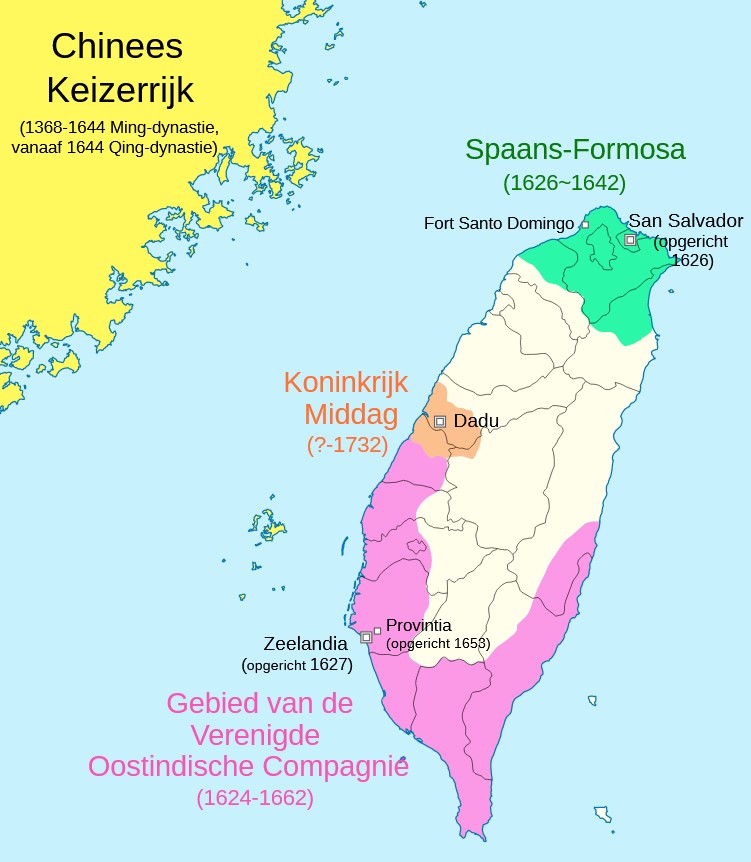
A map showing the area of Dutch control on Formosa circa 1650s and the area the Spanish control circa late 1630s.
The orange area is a kingdom of indigenous people known locally as Dadu, but to the Dutch as the Midday Kingdom.
A 1629 drawing showing an artist’s impression of the storming of Nuyts’ office, when Hamada Yahei held him hostage.