Episode 30 – The Ming Broken

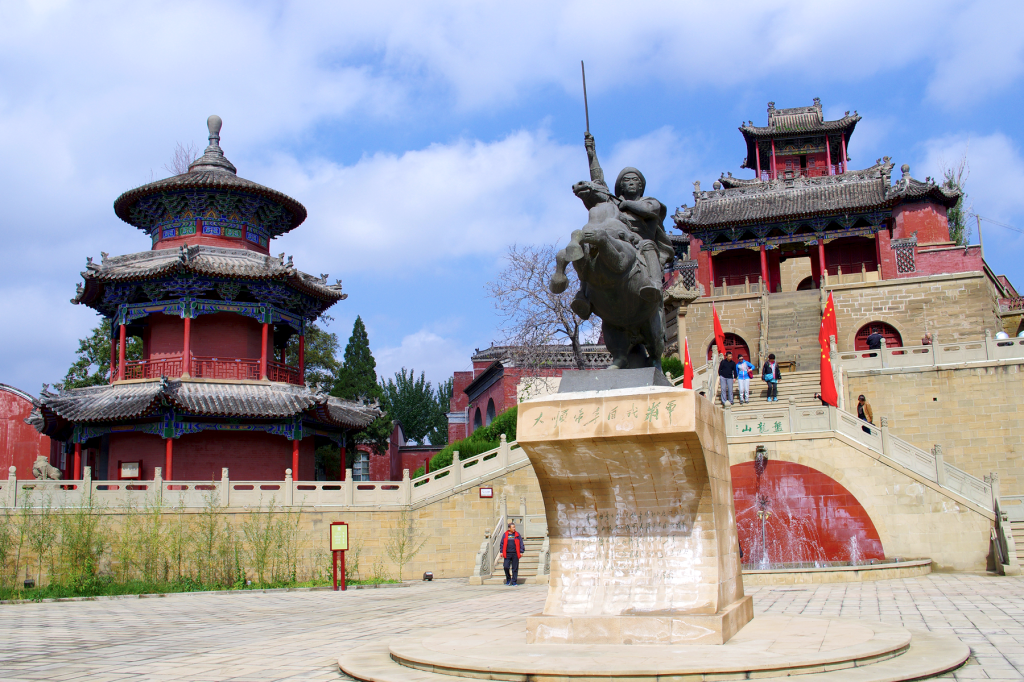
A monument to Li Zicheng in Mount Panlong, Shaanxi Province

The start of the (Lunar) New Year, 8th of February, 1644, found the Ming Dynasty in a poor state: invasions by the Manchurians (Qing) in the north east, constant pirate activity along the coast – including that of the persistent Europeans – and issues of poor harvest due to environmental factors causing widespread famine and disease, which in turn led to the rising up of peasant armies hell-bent on taking what the government could not provide for them.
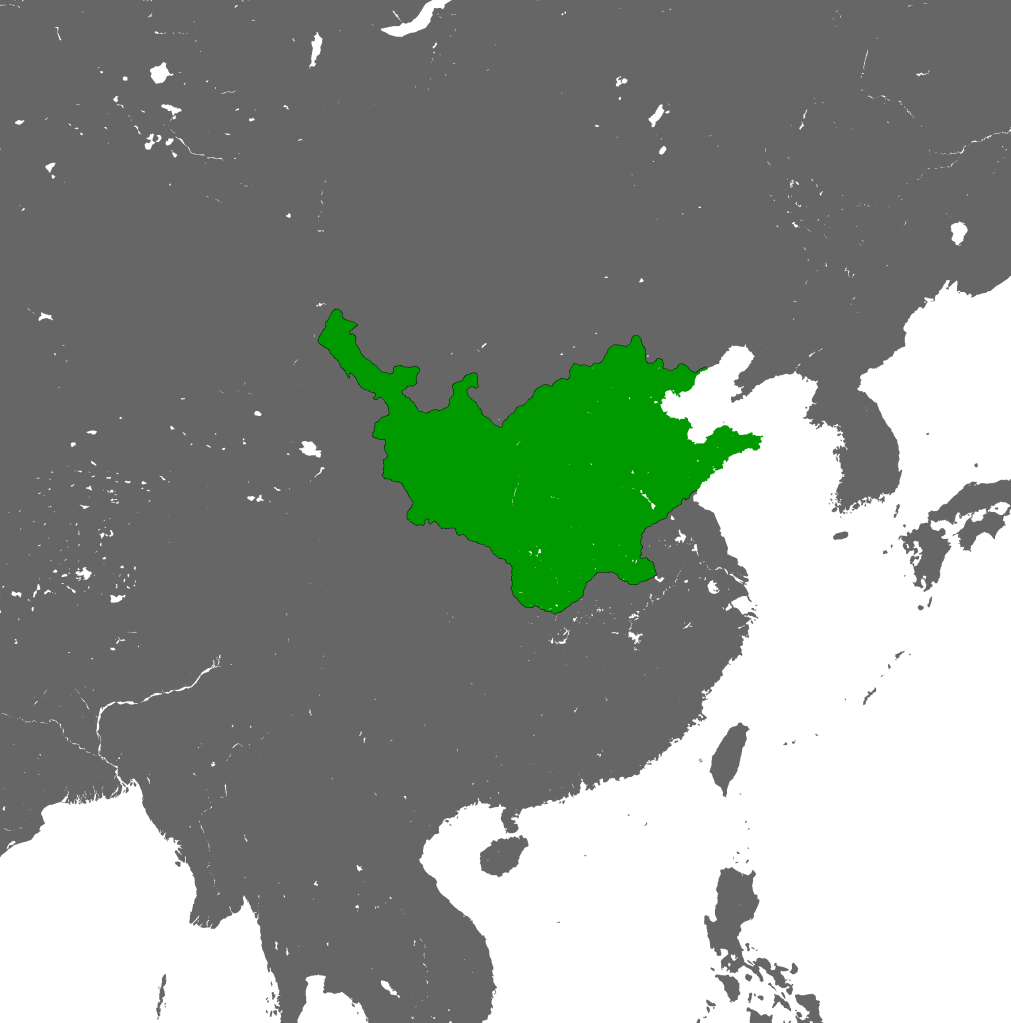
One of these peasant armies was led by Li Zicheng. Who was he? Where did he come from? And how was he able to take the capital of Beijing in the name of the newly founded Shun Dynasty

Li Zicheng (李自成) a.k.a. the Yongchang Emperor (永昌帝)
The Shun Dynasty, or Da Shun (大順), at its height in 1644

Episode 29 – Hong Taiji

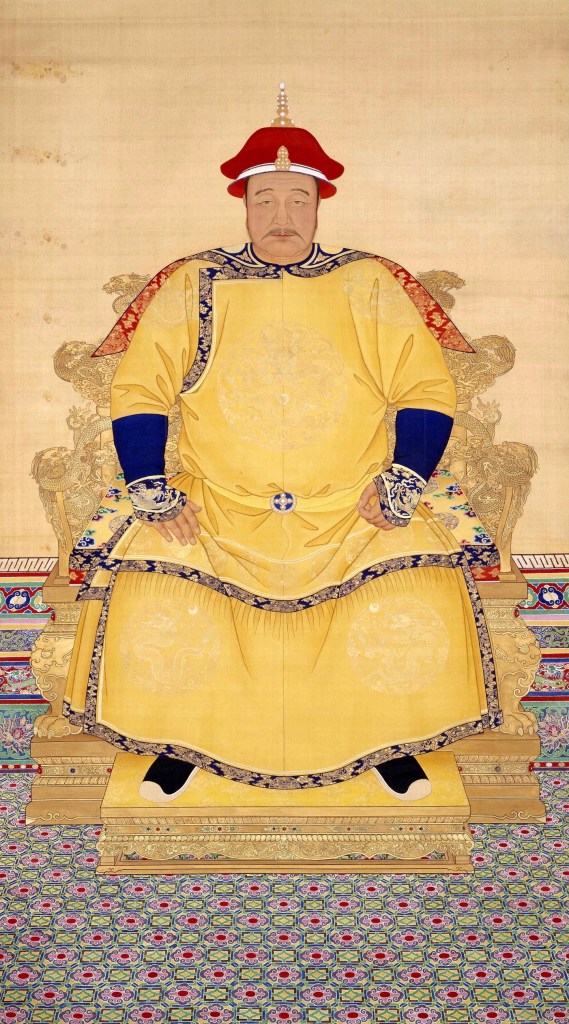
The imperial portrait of Hong Taiji, modelled after that of his father, Nurhaci.

In this episode we look at the character of Hong Taiji, the second Khan of the Jin Dynasty. We explore some of the ways in which he remodelled his father’s empire, changed his approach to the Chinese within his society and understand the reason why he chose to rename his empire and his people. From 1636 the Jin Dynasty became known as the Qing Dynasty, with the Jurchen people adopting the name Manchu.

Link to Gertraude Roth Li’s bio.
Link to a YouTube video on Hong Taiji for those who wish to study him a bit further.

Episode 28 – The Banner System & Ningyuan City

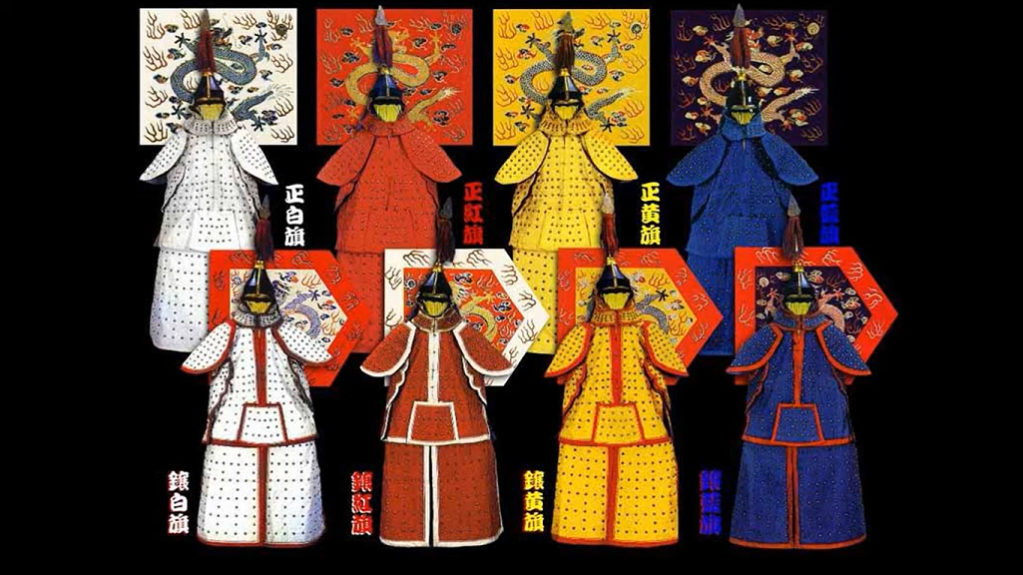
The Eight Banners: the original White, Red, Yellow and Blue as well as the Border Banners of the same colours.

This episode we look at the Eight Banner system that made the Jurchen people under Nurhaci such a devastating military force. We note how policies began changing due to necessity, as Nurhaci sought to consolidate the lands and people under his control, as well as continue the empire’s expansion. We end with a pivotal moment for the Jin Dynasty, the Battle of Ningyuan.

Link to documentary on Nurhaci

Episode 27 – Nurhaci

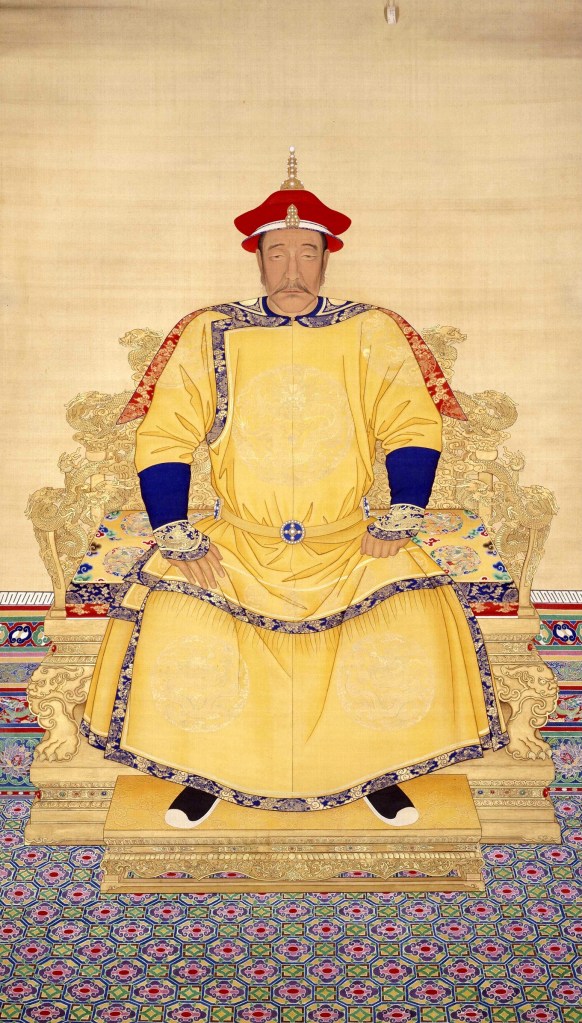
Source: Wikimedia Commons

Nurhaci (ᠨᡠᡵᡤᠠᠴᡳ) is a name from the now critically endangered Tangusic language of Manchuria which possibly means “skin of the great boar” or “person brave like a wild boar”. History knowns him as Khan of the Great Jin (努爾哈赤), the precursor to the Qing Dynasty of China. Nurhaci’s story and those of the Jin and Qing Dynasties forever change China’s history and with it the lives of Zheng Zhilong, his son Zheng Chenggong and Taiwan.