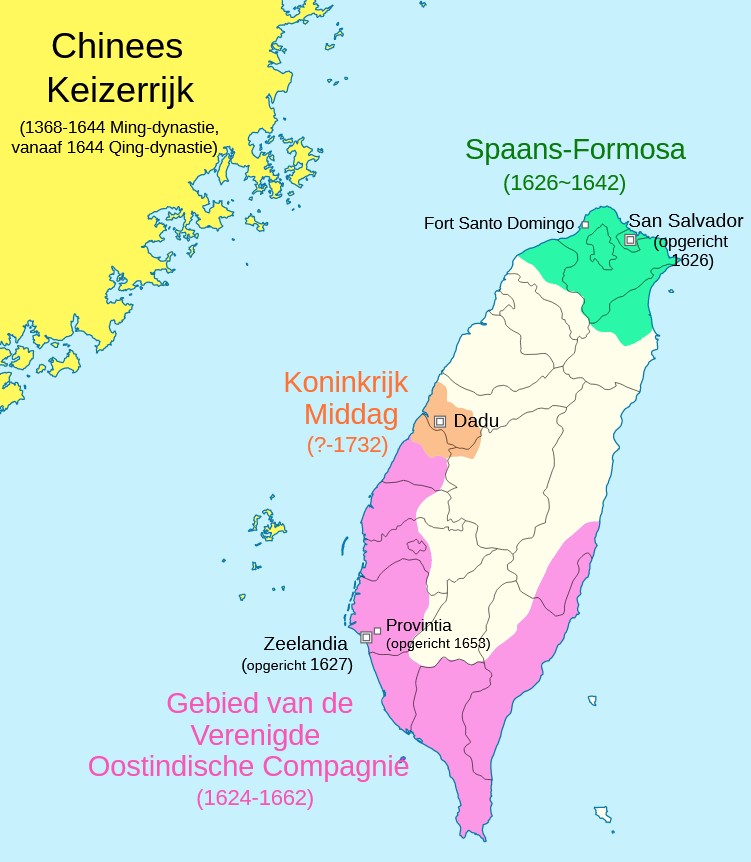
After a quick recap of the Spanish and Dutch influence in Taiwan (as well as taking a broader look to encompass the ongoing Eighty Years War), we look at how changes weakened the Spanish position in Taiwan. The Dutch would take advantage of this to try push the Spanish off Taiwan and claim control over the whole island for themselves. This culminated in the battle for San Salvador, the Spanish fortress in Keelung (Jilung).
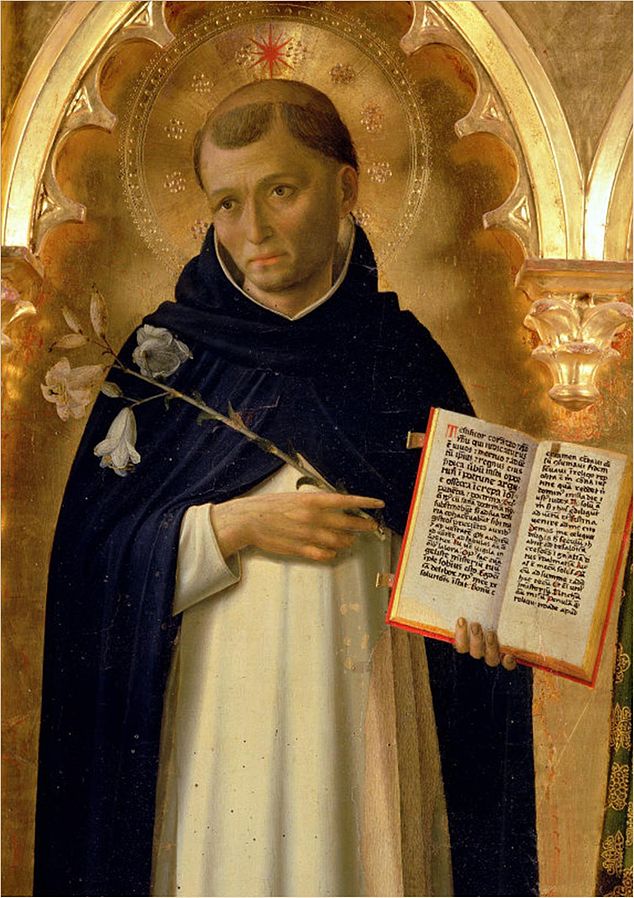
The mendicant religious orders within the Catholic church, started in the 13th Century, were products of the highly religious and meant to rebuild the church’s failing image. Over the centuries rivalries grew between these orders and, although they had generally the same goals and often worked together, they also vied with one another for power and influence. The Order of St. Dominic led the Catholic charge into Hermosa, partly to counter the protestant Dutch in the south, but mostly with an eye to forging new pathways to China and Japan. Here we look at a few of the most prominent of these Dominicans and their actions in Taiwan.
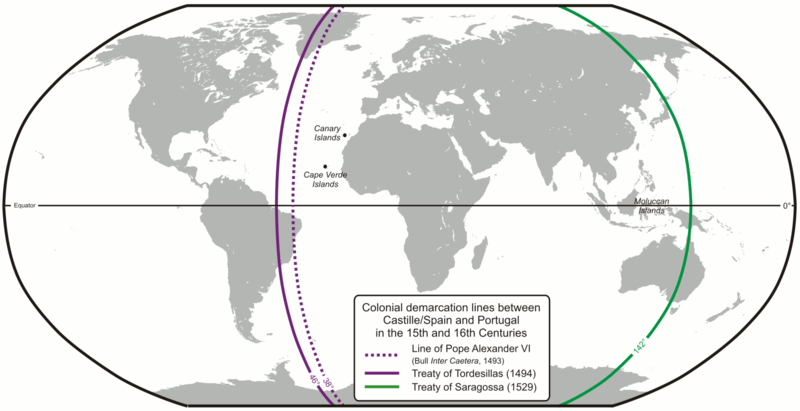
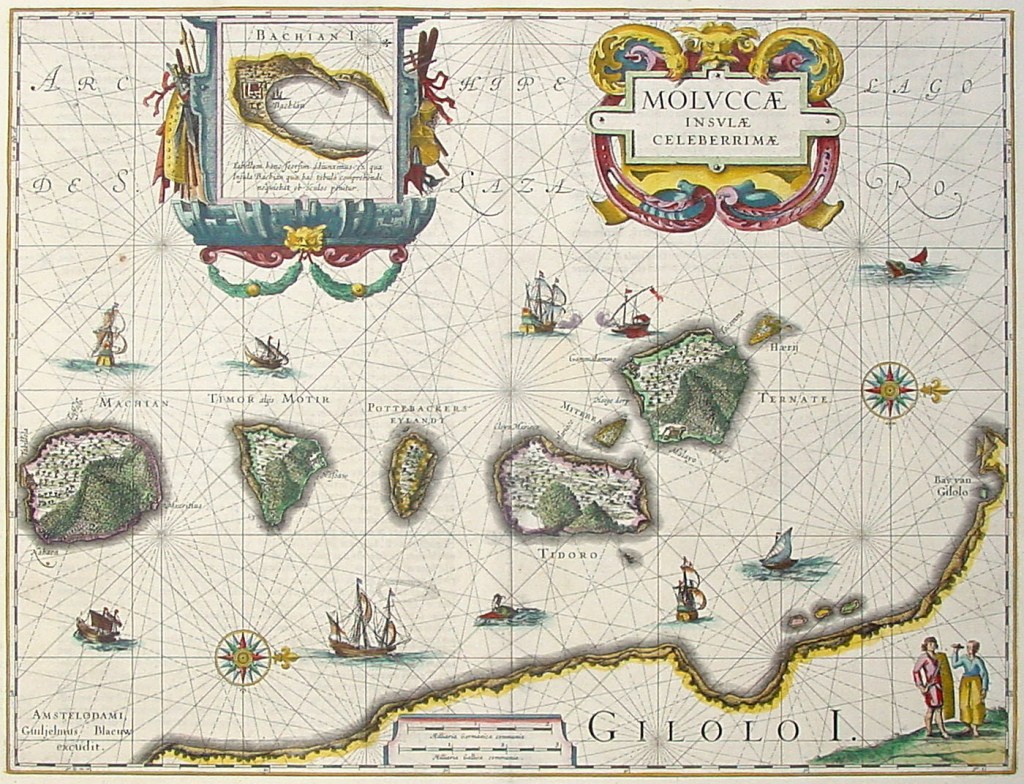
The Spanish and the Portuguese were important players in the actions of Europeans in the East and Far East. Though they had worked together to oust the Muslims from the Iberian Peninsula, they were still rivals for colonial territories. King Philip II of Spain would inherit the Portuguese crown in 1580, which lessened open conflicts between the two countries, but that rivalry still persisted. Though the Spanish were largely preoccupied with conquering the Americas, they (like all European powers) had their eye on the Spice Trade. Due to treaties with the Portuguese, the Spanish needed to find a western route to the East going past the Americans and across the Pacific Ocean. Silver from Mexico gave them wealth with which to trade, but they needed to establish an outpost in the East. Ideally they wanted something on China’s doorstep, like how the Portuguese had Macau. In the end, they would settle in the Philippines and then look for expansion opportunities.
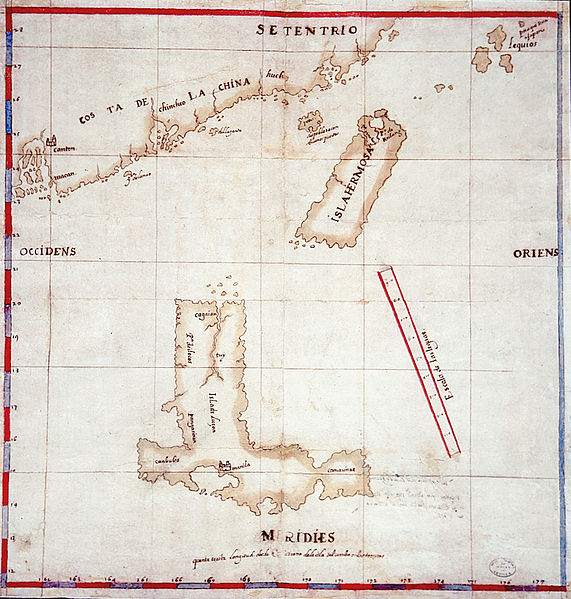
1597 map of Luzon (northern Philippines), Isla Hermosa (Taiwan) and the China’s east coast.
Dividing lines for Portuguese and Spanish claims by treaties.Portuguese and Spanish trade routes to the Far East. (Portuguese east below Africa, Spanish west past the Americas)Dutch map of the Moluccas – Spice Islands (map oriented with west at the top)



 Taiwan Through Time