Episodes

Update – A Cold War

As some of you may have known, I appeared as a guest aboard the Cold War podcast produced by Cameron Reilly and Ray Harris aptly named A Cold War. To be fair, I was a bit nervous being interviewed by these giants in the podcasting world and ended up going off on far too many tangents; something which I warned them I was prone to do. Also the slight lag in response time made social cues a little more difficult. Still, I feel the interview went well. They must have concurred as they released the interview.
My interview came out in parts to fit their release schedule and I am happy to announce that all episodes are now out. I have linked to them below.

Taiwan during the Cold War, Part 1
Taiwan during the Cold War, Part 2
Taiwan during the Cold War, Part 3
Taiwan during the Cold War, Part 4
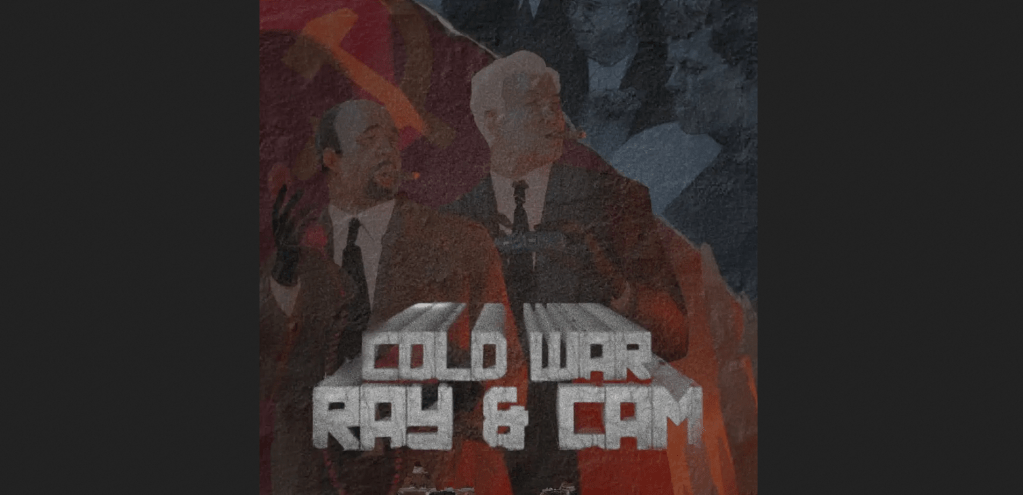
Here is a link to the first episode of Cam and Ray’s A Cold War podcast. If you find it intriguing, perhaps consider signing up for the show.

Episode 08 – Japan Part 1 (From the Heian Period to the 1500s)

To understand Taiwan we also need to understand the other political players in the region. So far we have largely ignored Japan, save to say that there were Japanese pirates operating in the area.
As we are currently in the 1500s, we will take a slight detour into the past to catch up on what has been happening in Japan from the Heian Period (794-1185 CE), the rise of the Fujiwara clan, the Hogan and Heiji Rebellions leading to the rise of the Minamoto family and the rise of the position of shogun over that of the emperor, the Kenmu Restoration and rise of the Ashikaga Shogunate and its demise, leading to the start of the Sengoku Jidai.

Modern day Japan: Link

Akira Kurosawa’s use of movement in Samurai Seven.

Prof. CJ’s Gain and the State Episode and his Dangerous History Podcast.
Weird descriptions of Europeans from when the Japanese first met them by Voices of the Past.

Episode 07 – Jan Huygen van Linschoten

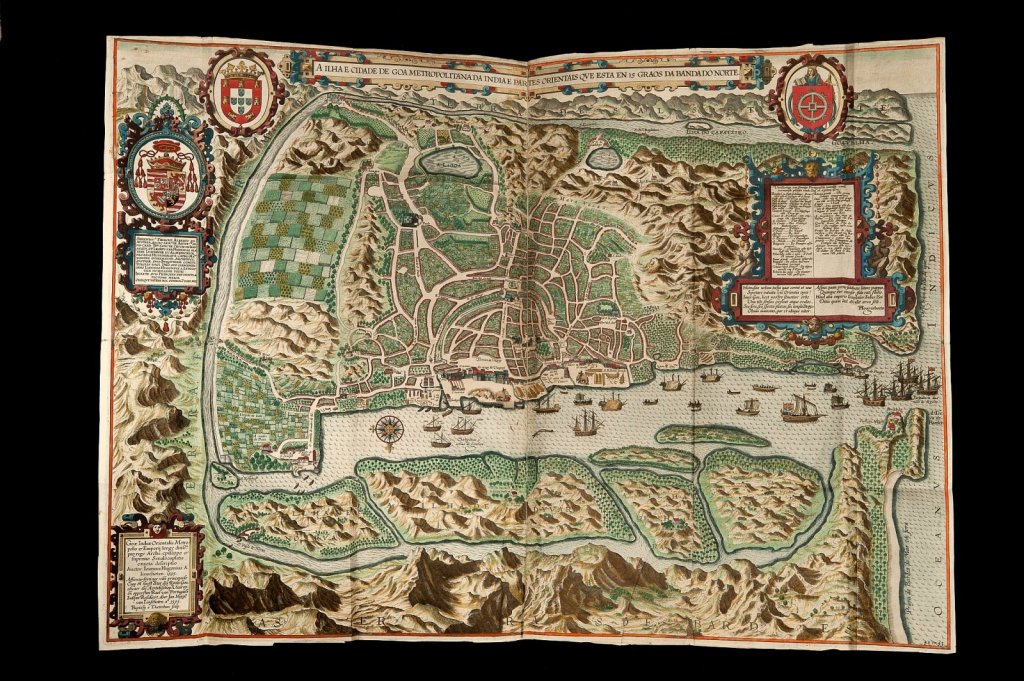
The Portuguese had established a monopoly on European trade in the East, with the centre of their power their their colony at Goa in India. Enter a man whose actions would lead to the opening of the Far East to all of Europe and the collapse of Portuguese power.

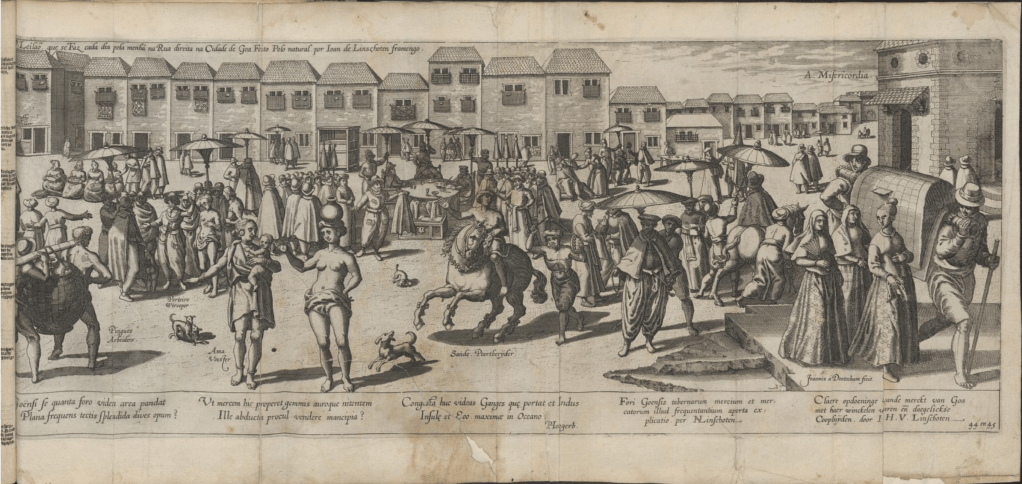
Goa, Oude Drukken by Jan Huygen van Linschoten. [Link]
Market in Goa by Jan Huygen van Linschoten. [Link]
The spread of 茶 (chá) and the changing of its name from language to language.

Update

Greetings
We’ve had a week on non-stop rain, so recording hasn’t really been possible for me. Not to fret, though, I will still release something this week in the form of a new page.
I’ve collected many examples over the years of the weird and wacky wording that our Taiwanese cousins make of the English language and have decided to start curating my collection. I will update it regularly as and when I locate my years of stashed photographs. This is a mix of business names, sign posts, stickers, graffiti, menus and any place where language slip-ups can occur. I may even throw in the odd artwork for good measure. I hope they amuse.

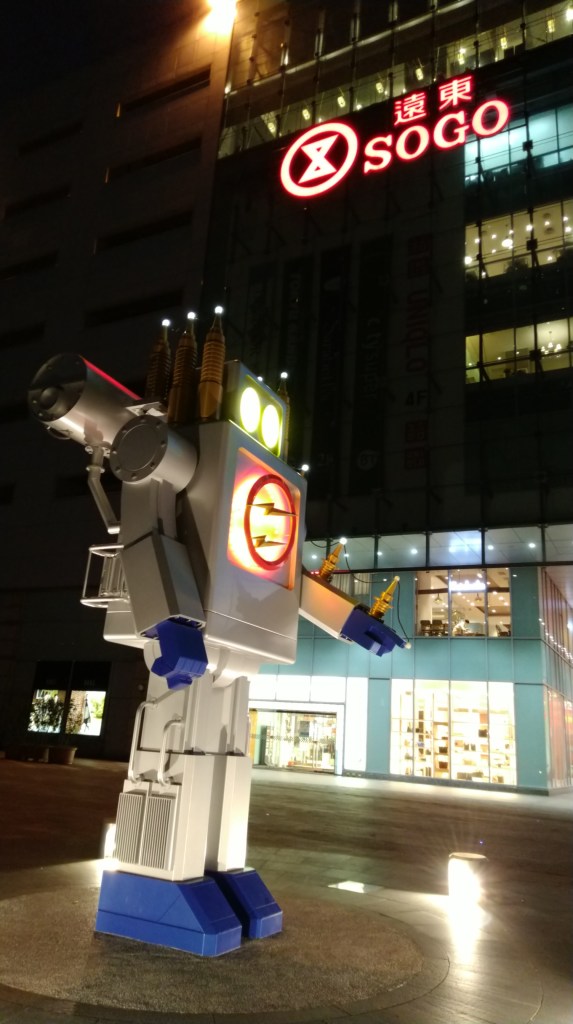
Oh yes, and we have giant robots… just because.

Going forward, I may have to switch this from a weekly podcast to a fortnightly podcast. Running a podcast on top of holding down three jobs isn’t quite as manageable as I had hoped. Nevertheless, I shall persist and update fortnightly as a rule, weekly when I can.

Episode 06 – European Search for Eastern Spices

We draw back from Taiwan in this episode to get a larger picture of the European Age of Exploration, as this will create great changes not only for Taiwan, but for the world as a whole.

We look at the explorations of Bartolomeu Dias, Chistopher Columbus, Vasco da Gama and Ferdinand Magellan, to the growth and dominance of Portuguese trade in the East.

CAM & RAY

In this episode I made a reference to the podcasting duo, Cameron Reilly and Ray Harris; in particular to their fabulous series on the Cold War, aptly named, A Cold War Podcast. They are a fantstically absurd pair who take a detailed look at history in a humorous and (sometimes) delightfully childish way. They have podcasts covering The Renaissance, Alexander the Great and an ongoing series looking at the lives of the Caesars of Rome. Some of these are behind pay walls, others are free.

Julius Caesar has slipped behind a paywall in recent times, but Augustus is still free. For those wishing to whet their appetites, give this couple a listen by following this link to their Augustus series.

Episode 05 – The Rise and Fall of the Chinese Navy

We continue looking at migration from the mainland to the islands off eastern China, largely due to shifting politics from the 1100s to the 1400s. With the 15th Century comes the appearance of China’s famous treasure fleet and its voyages to acquire vassal tributes lead by Admiral Zheng He. The sixth voyage has become infamous due to Gavin Menzies’ book 1421: The Year China Discovered the World (published in the USA with the word “World” replaced with “America”). This theory has proven quite controversial.

Update:
I have found it difficult to find good articles reviewing Gavin Menzies’ book. Sadly the internet is full of noise. Having finally got around to reading the book myself, I find it quite compelling. Most of the attacks on his work revolve around the argument that he has very little clear-cut evidence. Much of his thesis uses speculation and guesswork. The artefacts that he does use often have not been fully examined through means like carbon dating or lab testing (though not for lack of effort on his part, as various authorities have denied access). Other artefacts, such as the raised stones, have been victims to time and vandalism. People complain that he strings various artefacts and historical elements together and builds a theory around them… but isn’t that essentially what historical investigation is?

Personally, I think there is a lot of merit to his work. While some of his evidence is not (and often cannot) he confirmed absolutely, it does seem to fit the overall picture he has created. Too many elements line up for there not to be at least some truth in his theory.

My recommendation is to read the book yourself and come to your own conclusions.

Episode 04 – Hints and Whispers

One problem we encounter when delving into Taiwan’s past is a lack of local historical records. Most of the records that survived were written by outsiders to the island, usually describing their encounters and dealings with the natives. Using those outsider records and modern archaeological evidence, we shall try to build a timeline of the island from prehistory up until the 14th Century.

1960s Research: Prehistoric Archaeology of Taiwan

2016 Research on the Formation and Dispersal of Austronesian-Speaking People

Timelines for Chinese Dynasties:

Asia for Educators

HistoryHit

Episode 03 – Ethnicities

[Update: A note on the sound quality. There was a weird high pitched sound in the first third of this recording that I have been unable to eliminate. Forgive my relatively new skills at audio editing. At least the latter two thirds of the recording are free of it.]

[Update 7th Oct. 2022: Three is new evidence for the “little black people” from the Taiwanese indigenous peoples’ folklore, as mentioned in this Taiwan news article and on this science & technology website.]

Part of understanding the people of Taiwan and their history is to look at the ethnicities that make up the inhabitants of the island. While today the vast majority are of Han Chinese descent, the indigenous peoples have a history on the island dating back thousands of years. Let’s investigate the various ethnicities of the island, what historical records we have on them and what more recent archaeological discoveries and mitochondrial DNA research can tell us.

Website for the Council of Indigenous Peoples

Documentary on Indigenous Peoples Part 1

Documentary on Indigenous Peoples Part 2

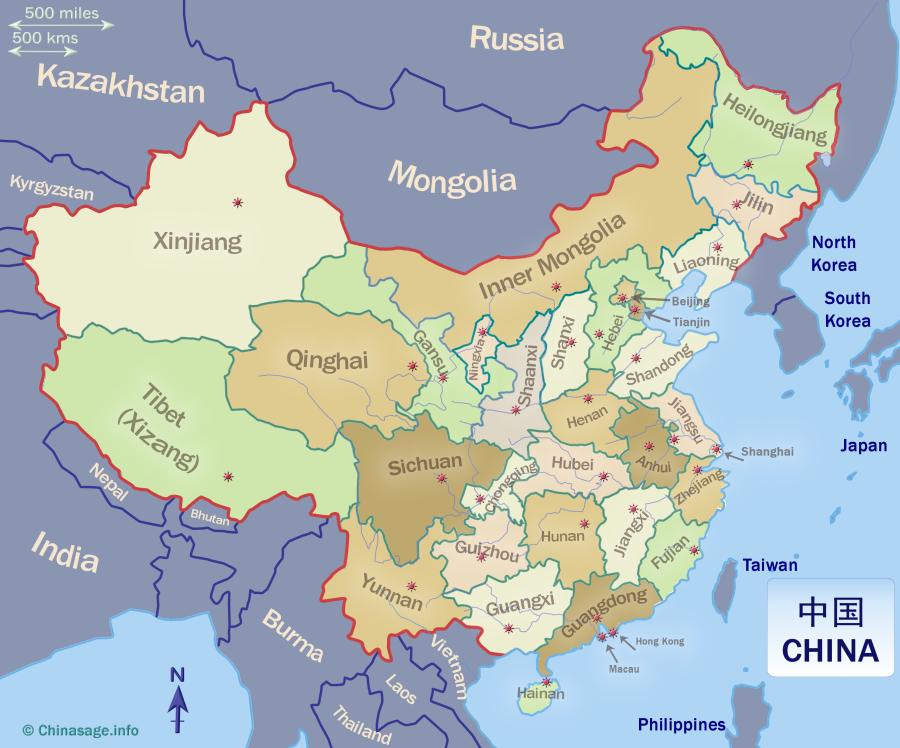
Chinese Provinces Map

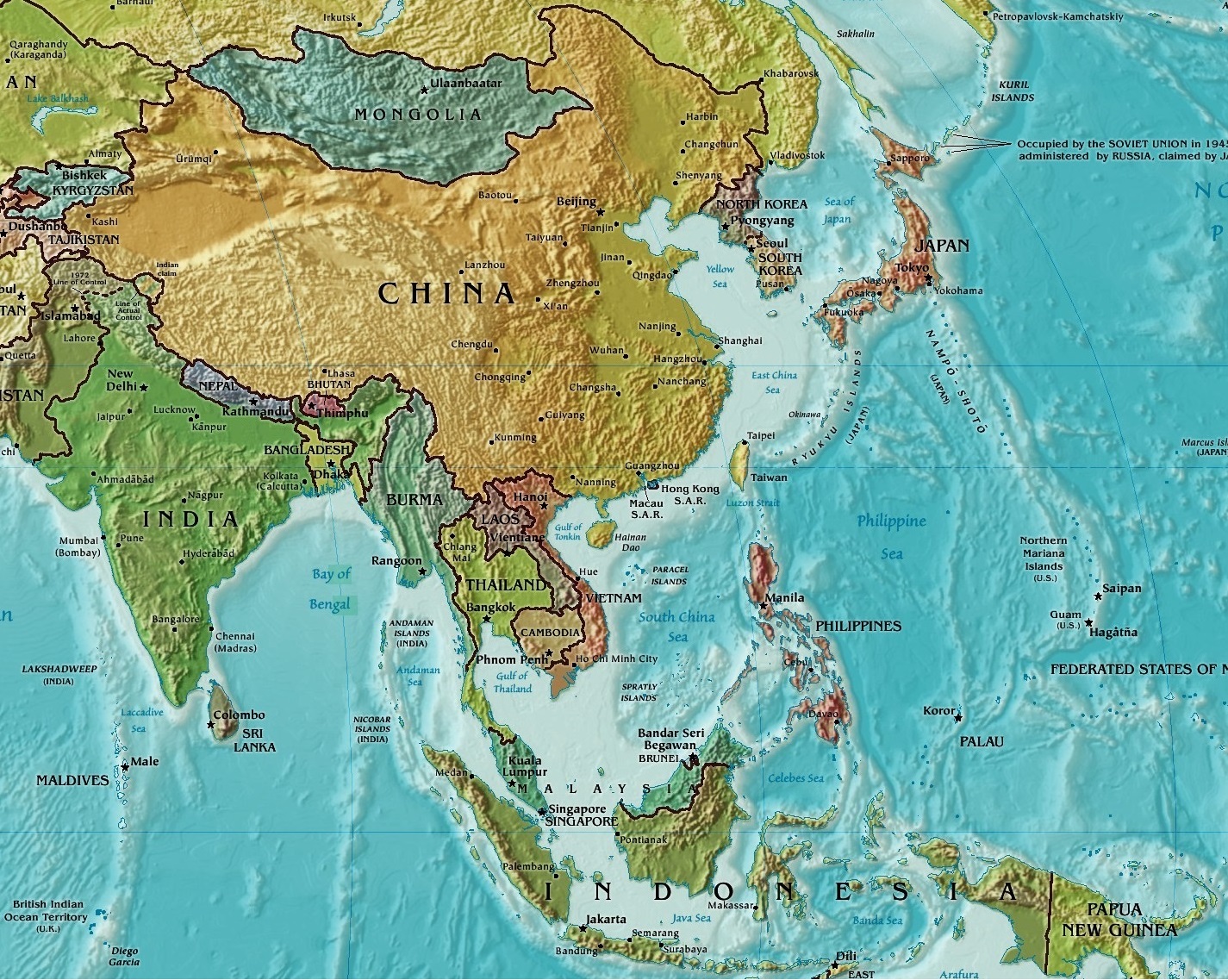
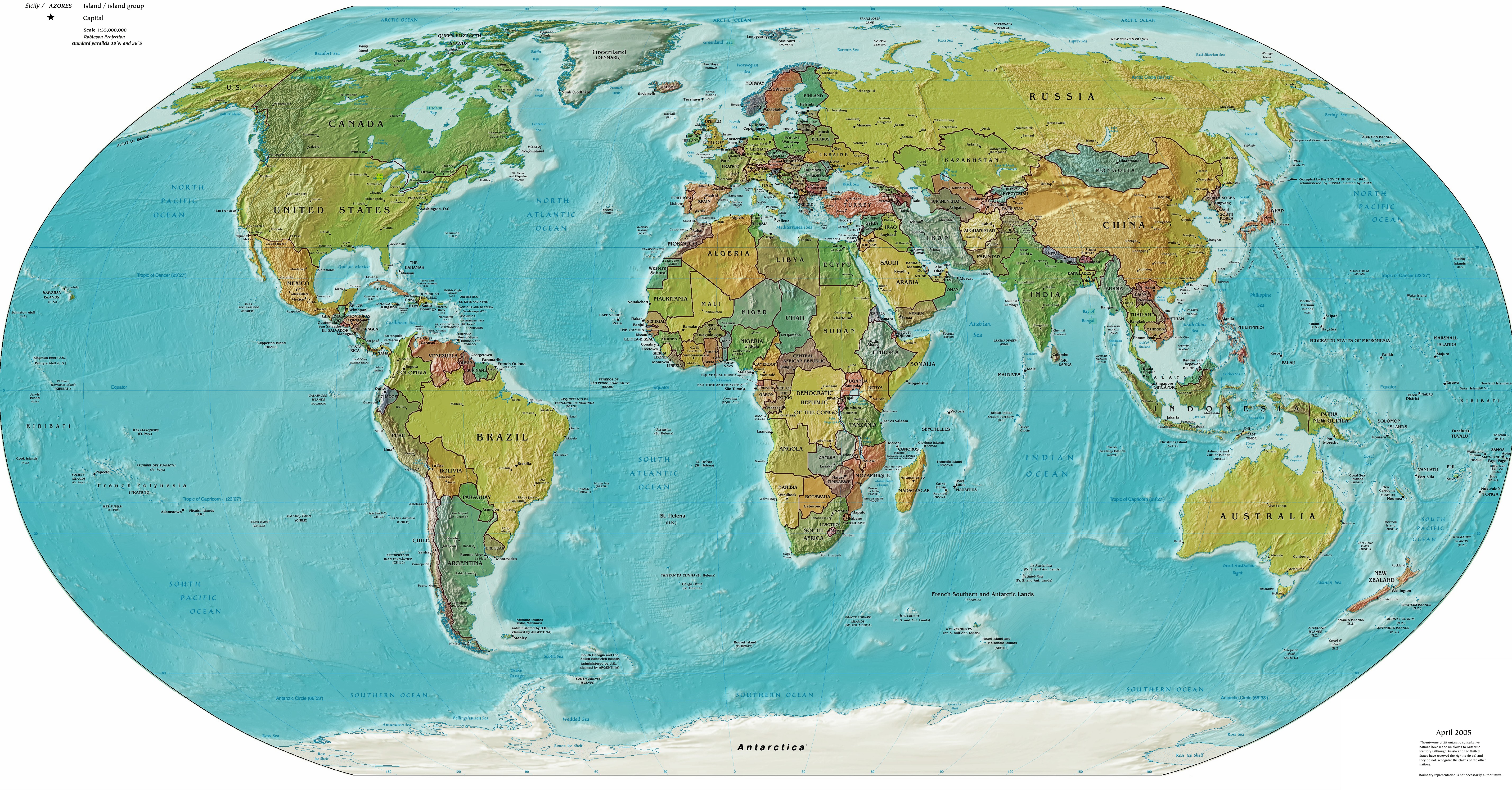
World Map

Episode 02 – Prospects of War

There have been indications that China is prepared to reclaim Taiwan by force, if necessary. What is the likelihood of such an act and what would that conflict look like? Is such conflict even necessary? Is an economic conflict more likely than a military one? Let’s discuss it.

LINKS
While some of these links are a little too fear-mongering in my opinion (the price of news these days – make it more dramatic to increase consumer numbers), there is a lot of useful information.

11-07-2019 The causes of the US-China trade war
https://www.youtube.com/watch?v=9loylbpJPzY&ab_channel=FRANCE24English

14-10-2021 Why are there fears China and Taiwan could go to war?
https://www.youtube.com/watch?v=3xD_pOYTtZk&ab_channel=GuardianNews

16-12-2021: 4 Signs War Over Taiwan Could Be Coming
https://www.youtube.com/watch?v=fn2ATAC4vOg&ab_channel=CNAInsider

Update: Since posting, this video has come out looking at the Russian invasion of the Ukraine and postulating on whether China might do something similar to Taiwan. It seems someone agrees with many of my speculations, which is comforting. However, there is a lot more to unpack here than my humble attempt.
29-04-2022: Will China Invade Taiwan Next?
https://www.youtube.com/watch?v=p6sCsOdqXQw